Kick Sampling the Waterford Reservoirs

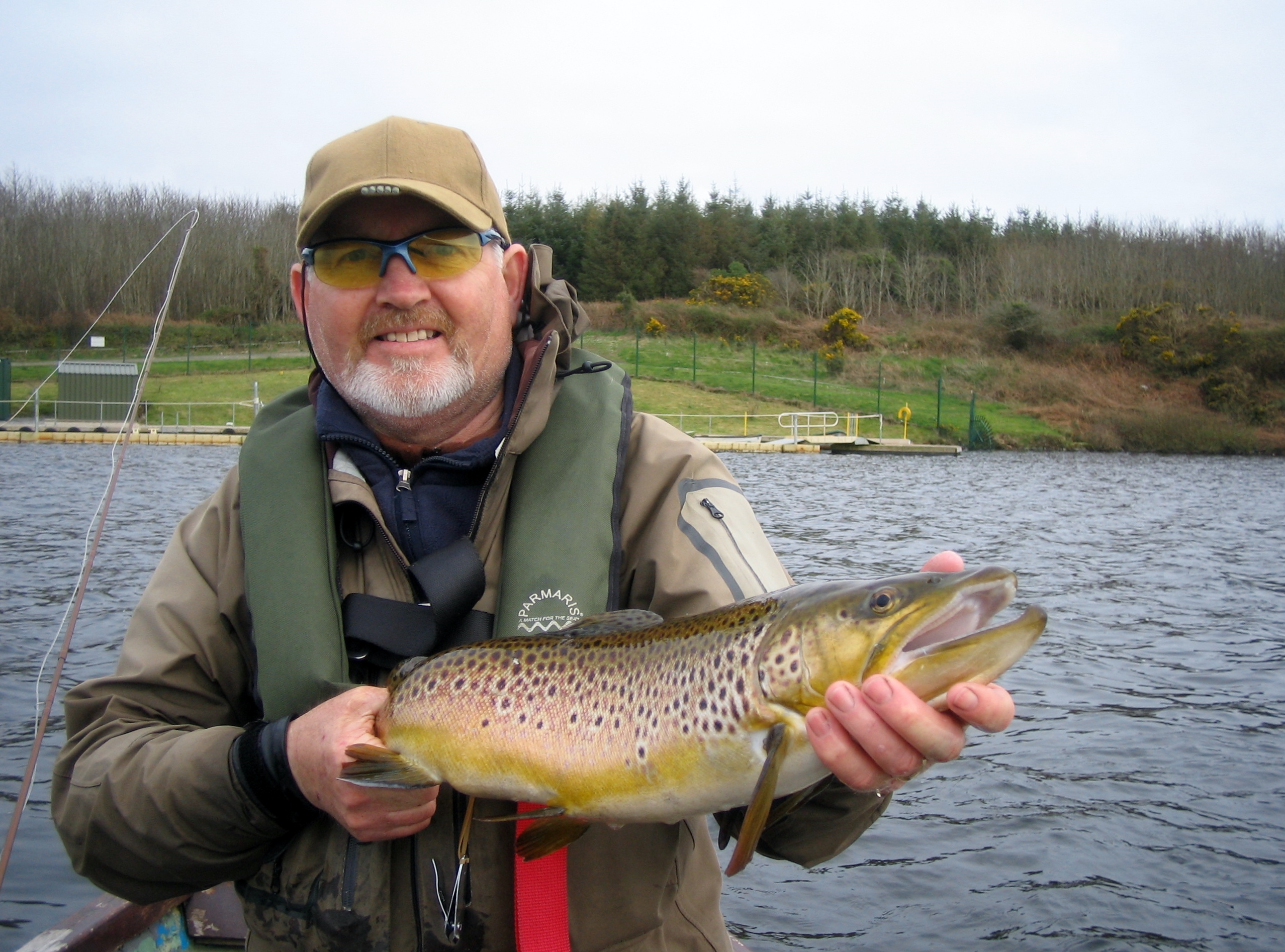
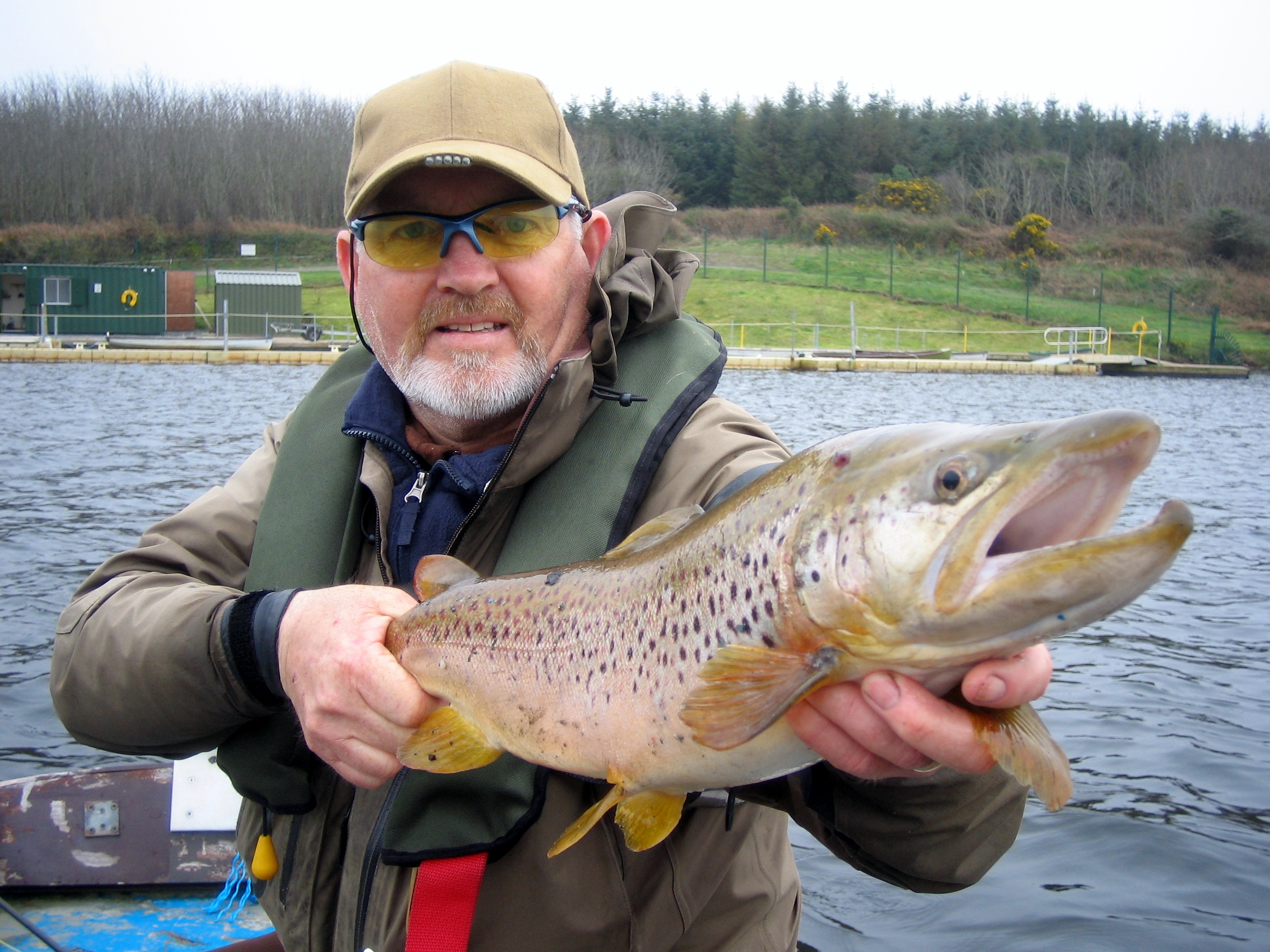
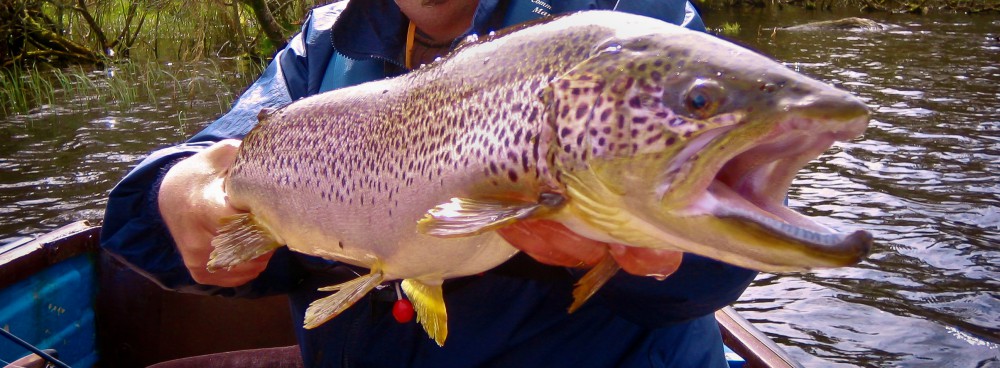
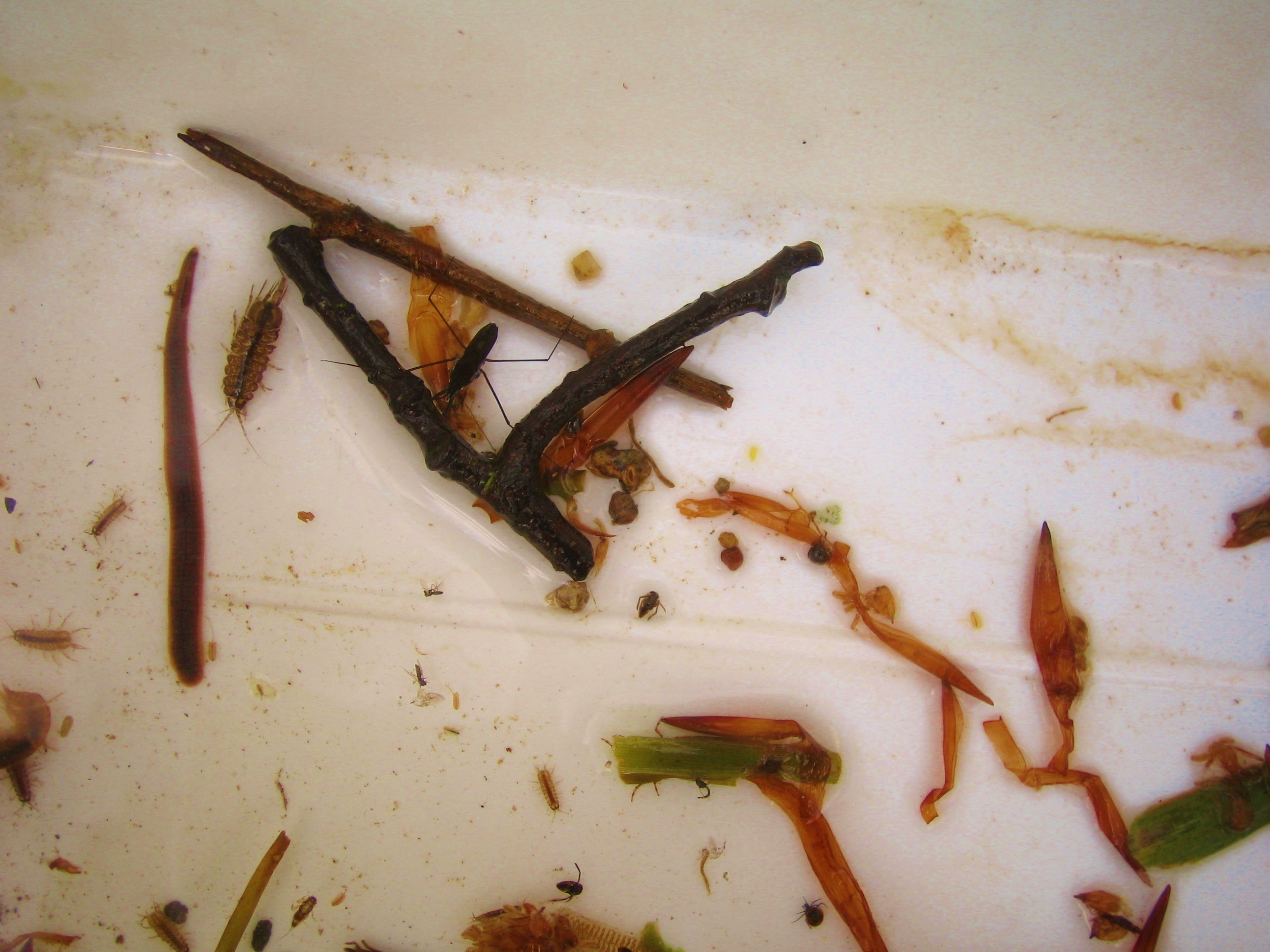
Following on from his last visit to Waterford where Dr Ken Whelan caught a superb 8lbs brown trout after kick sampling the margins of Carrigavantry, he was back again but this time it was Knockaderry Reservoir. To say Ken was impressed with the rich variety of quality food items available for the resident trout would be something of an understatement. Each area of the lake sampled showed some fantastic aquatic insects. There were everything from tiny fish, various caddis, chironomids, water worms, leeches, to nymphs shrimps and water boatmen.
IMG_3922

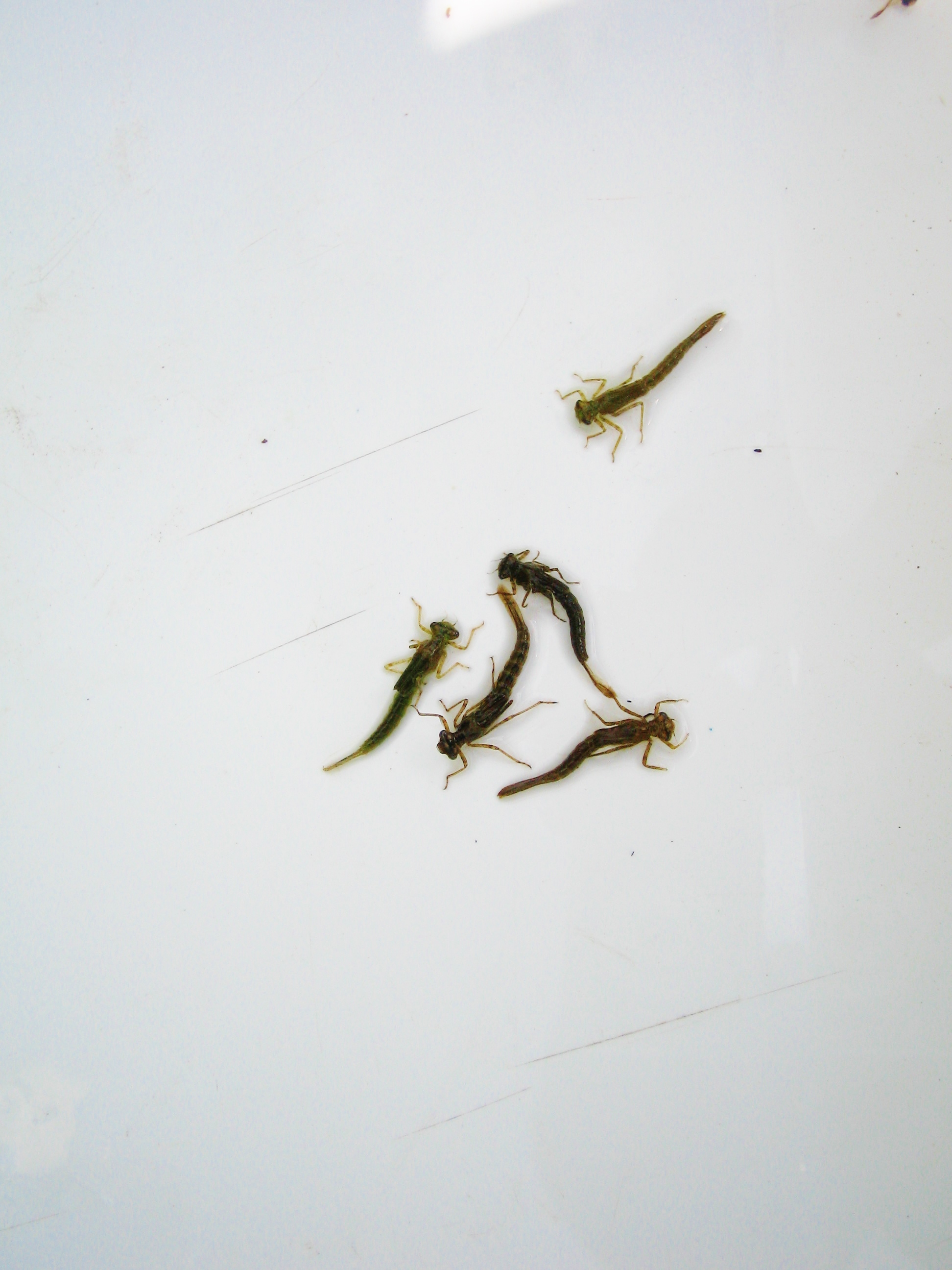
One scoop of the little sample net near the boat dock contained some cracking damsel nymphs. Any trout would be glad to get hold of these beauties.
IMG_3927

There was also some serious snails in the margins and lots of hoglouse.
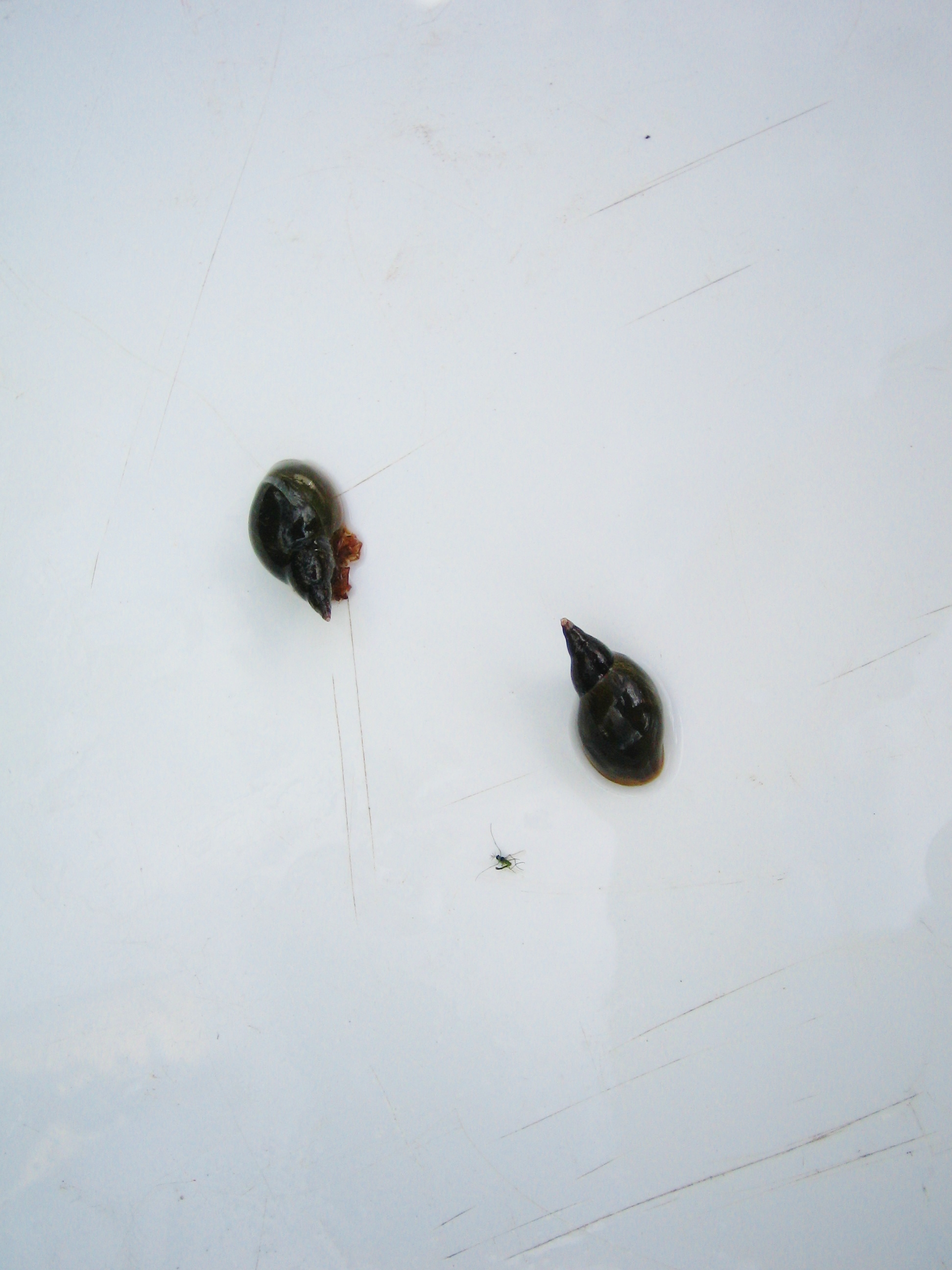
snails

snails

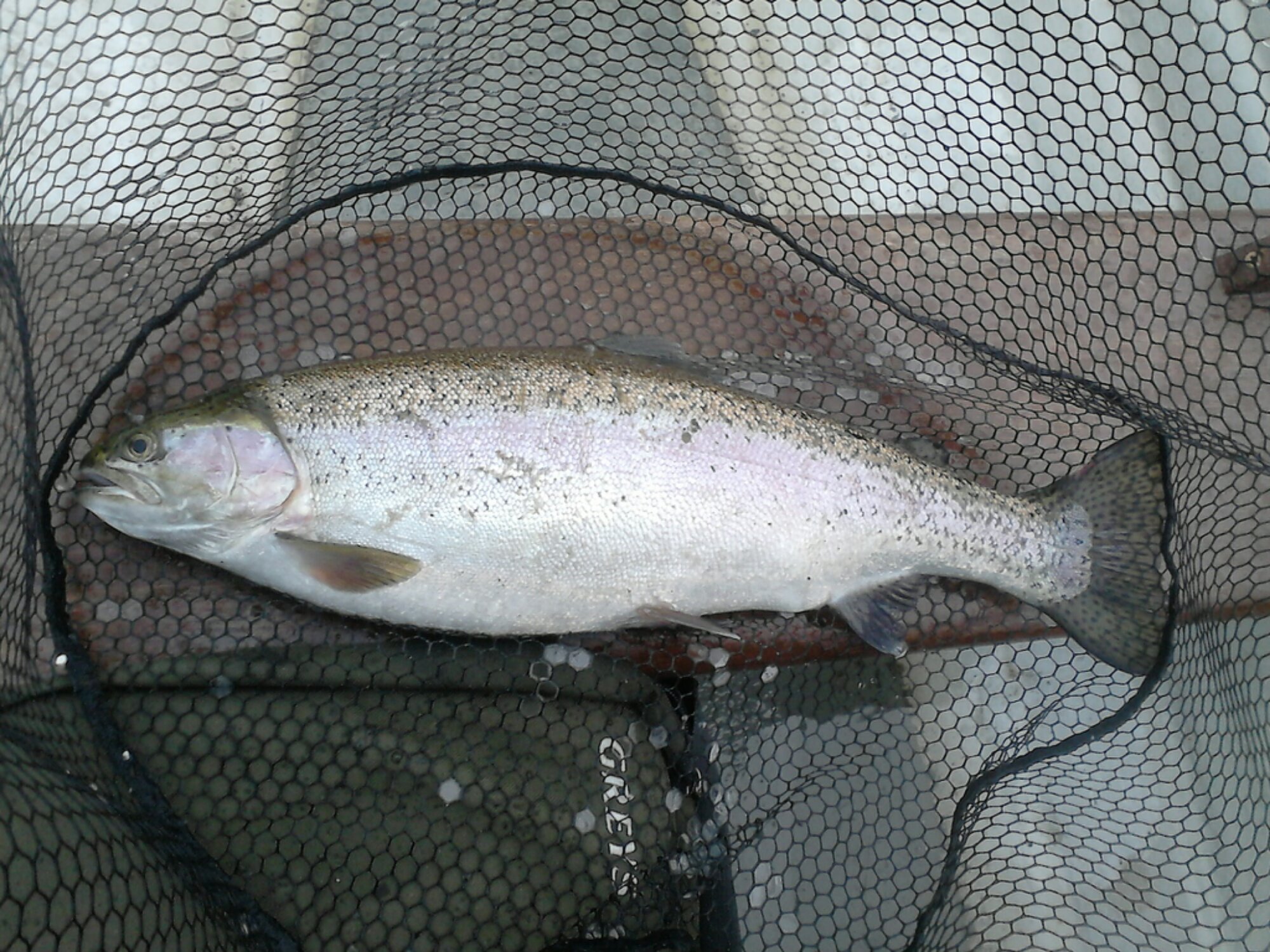
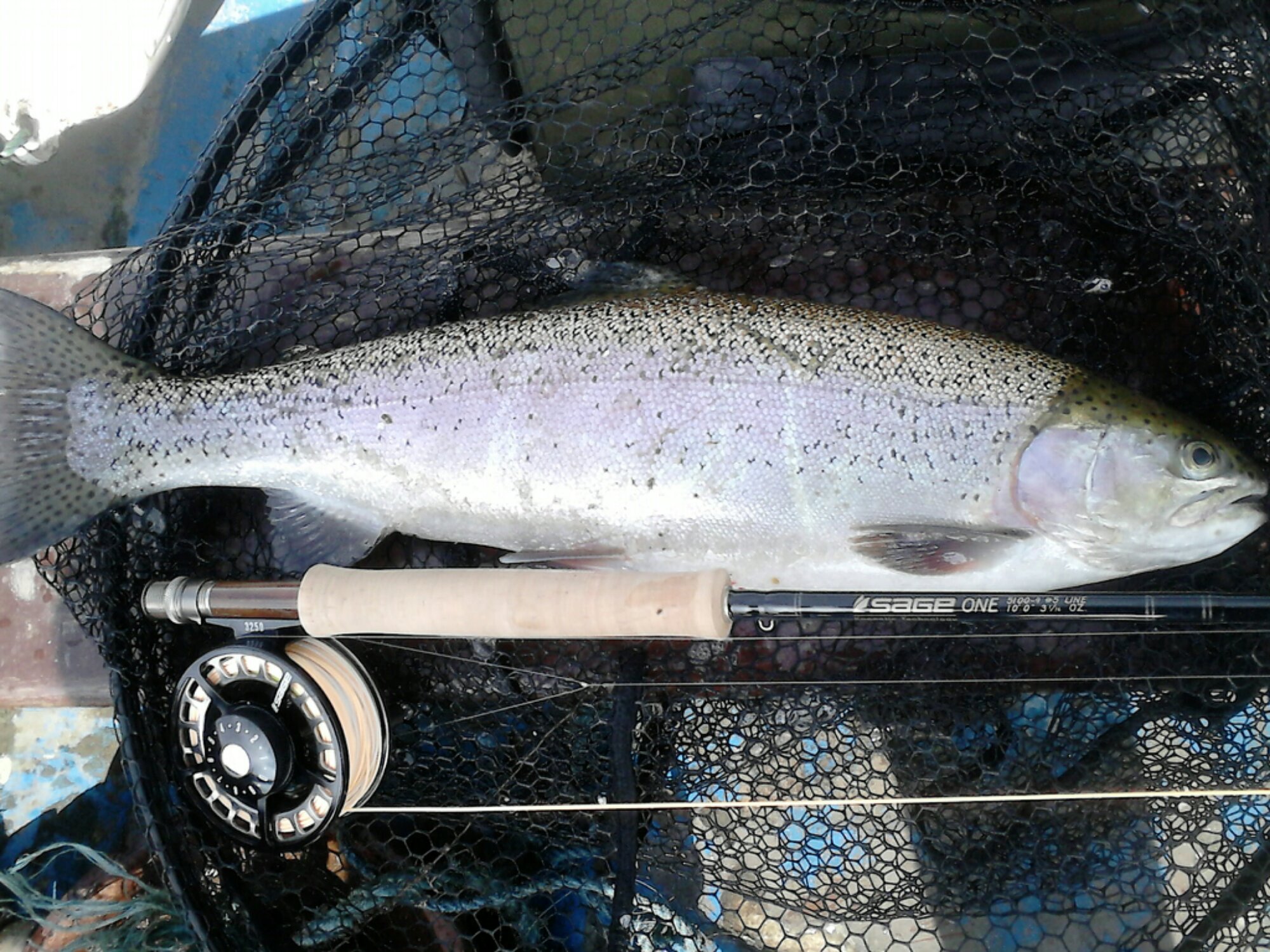
After the sampling was completed Ken had a try at catching some trout. Conditions were more suitable to nabbing a rainbow trout as it was very warm and bright. There were a few rainbows rising in the wind lanes and Ken managed to catch several of these on emergers.
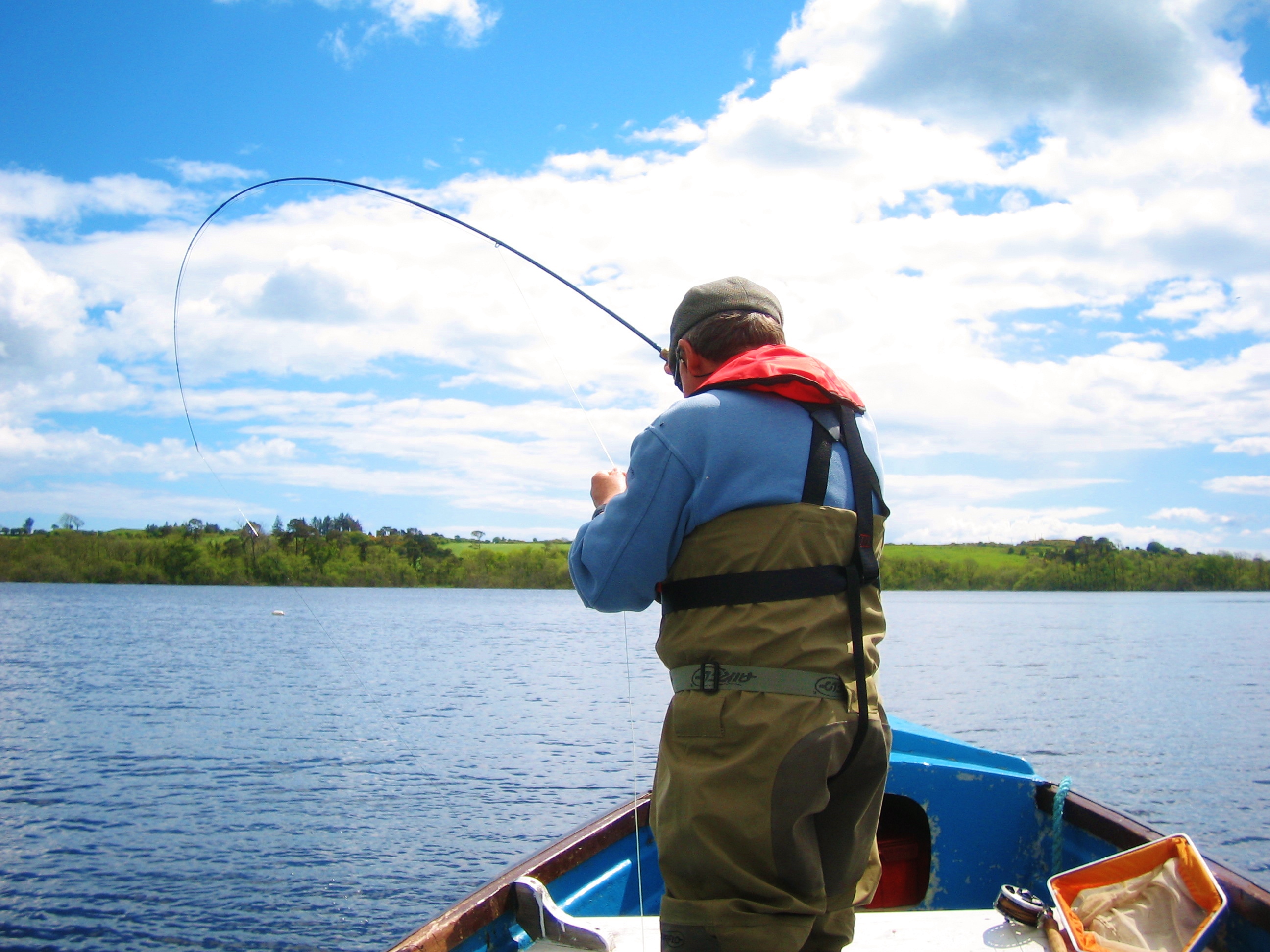
IMG_3930

They were very hard fighting trout and some of the overwintered rainbows were fin perfect and of a good size. Nice going Ken.
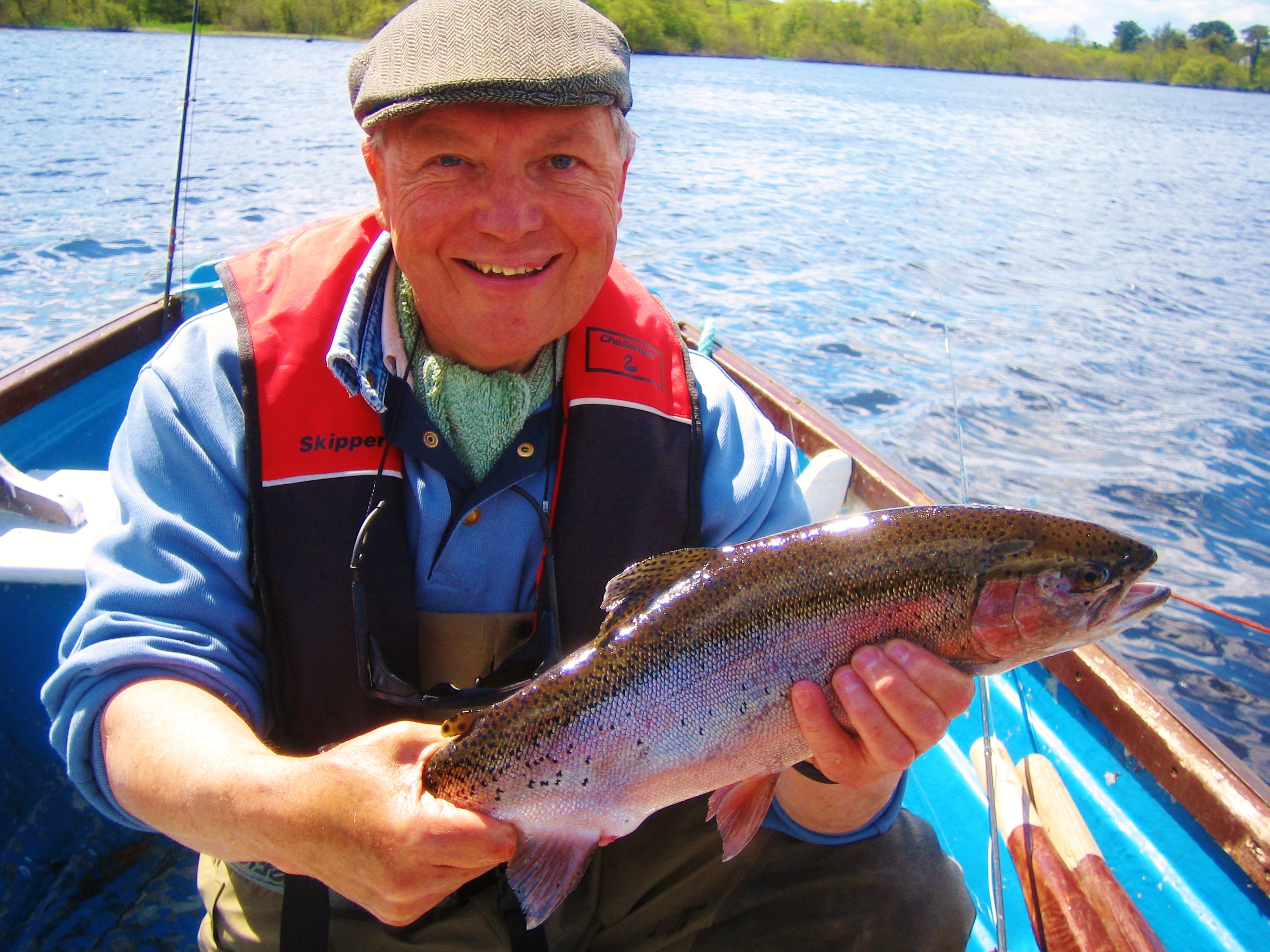
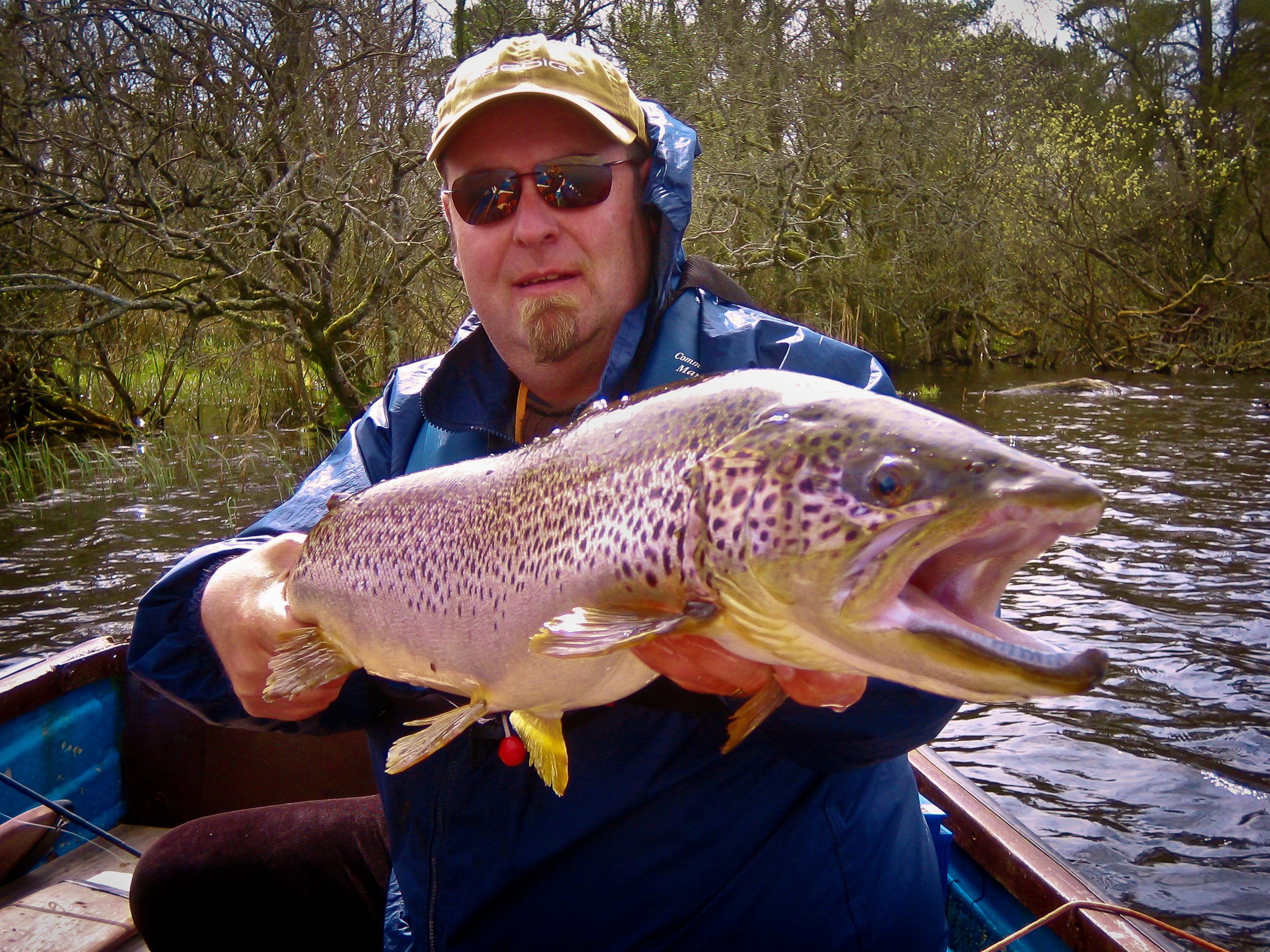
IMG_3928

Monsters on the Move

The MONSTER Waterford browns have been active in the last two weeks. We have had some cracking sessions on both Carrigavantry and Knockaderry. With the warmer weather hatches have increased resulting in good surface activity on the calmer days. Expect to see black and grey buzzers hatching on the mild calm days and lake olives on the less pleasant days. The first of the damsel nymphs are also making an appearance on the trouts diet. On my last trip to Knockaderry I had some fine brown trout on both wet fly and on buzzer.

IMG_3834

IMG_3849

Carrigavantry also fished very well to light buzzers and dries. I had two days there recently taking Kuba and Martin out on different occassions. Kuba managed some lovely browns on his trip.

IMGP9302s

Martin and I landed a mixture of rainbows and browns on dry flies when I took him out.

Facebook-20140421-070155

Mighty Mike

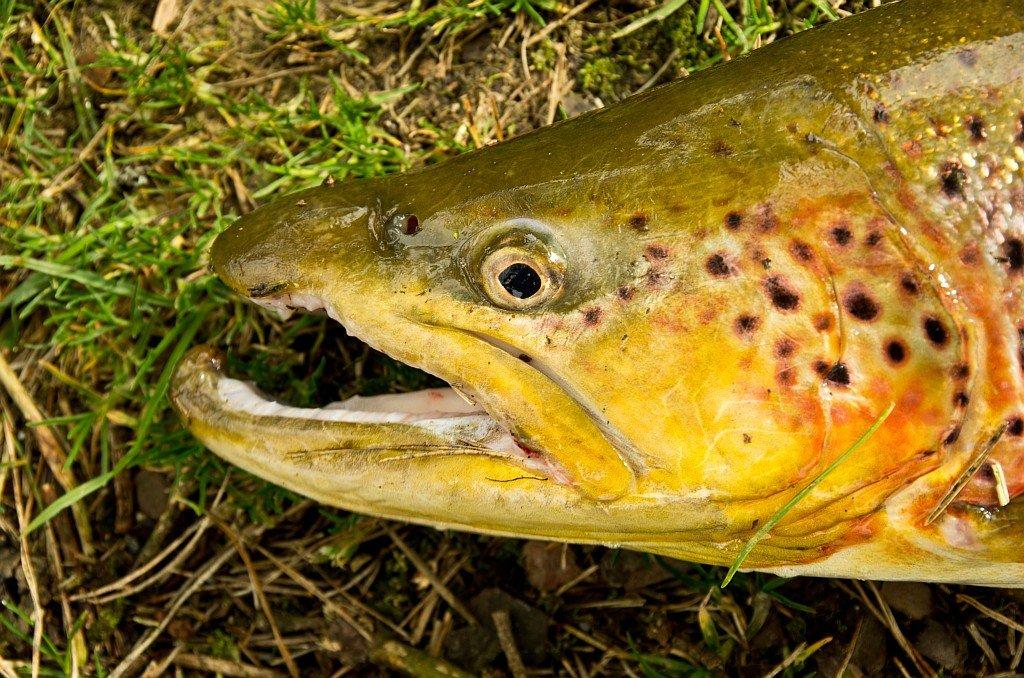
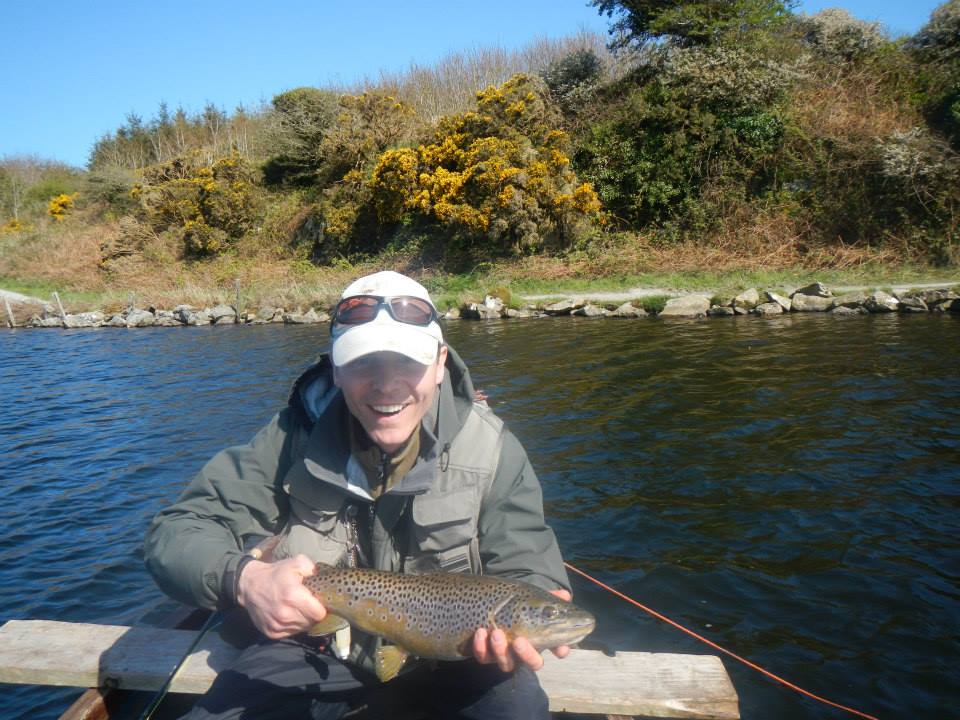
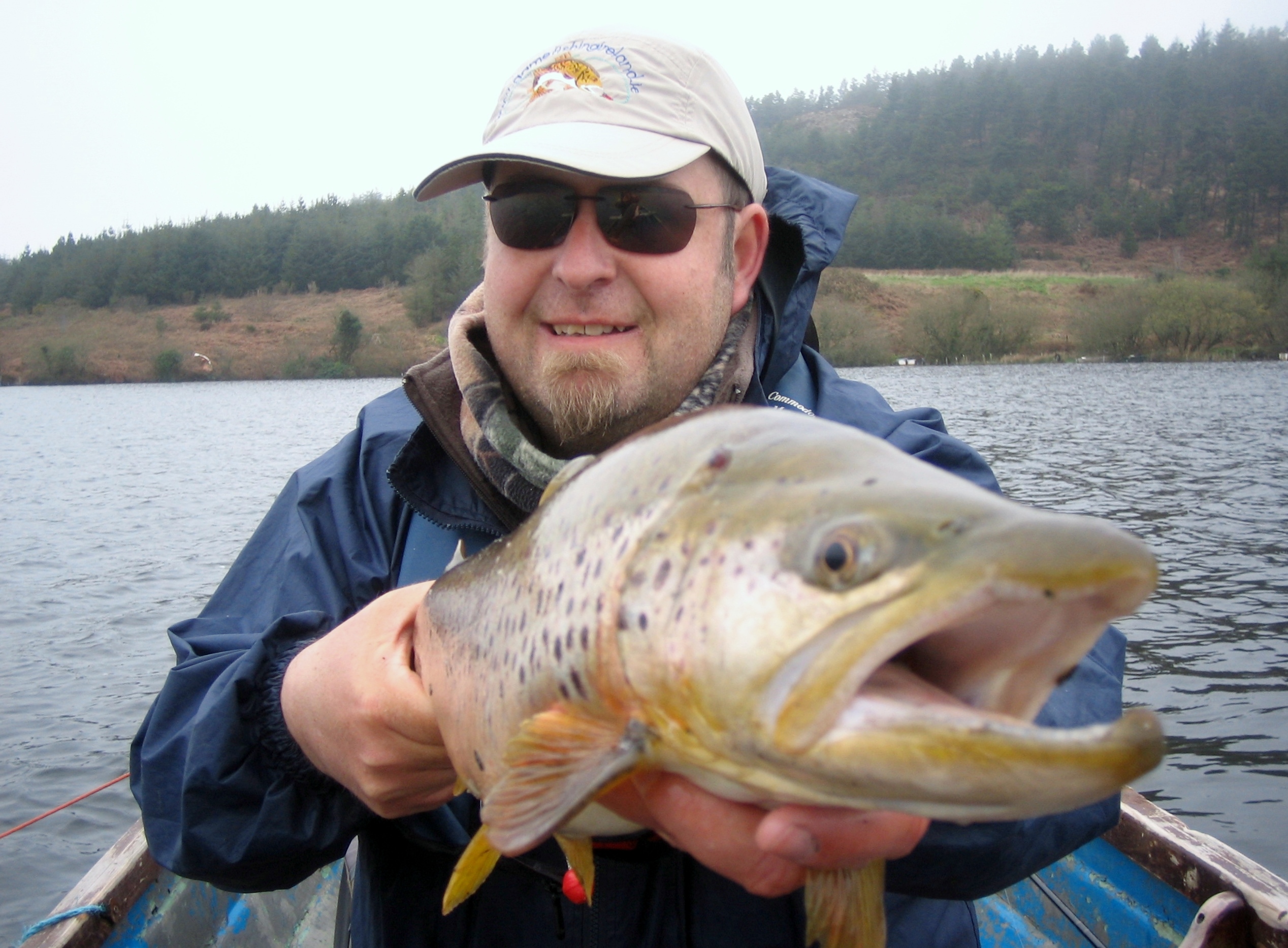
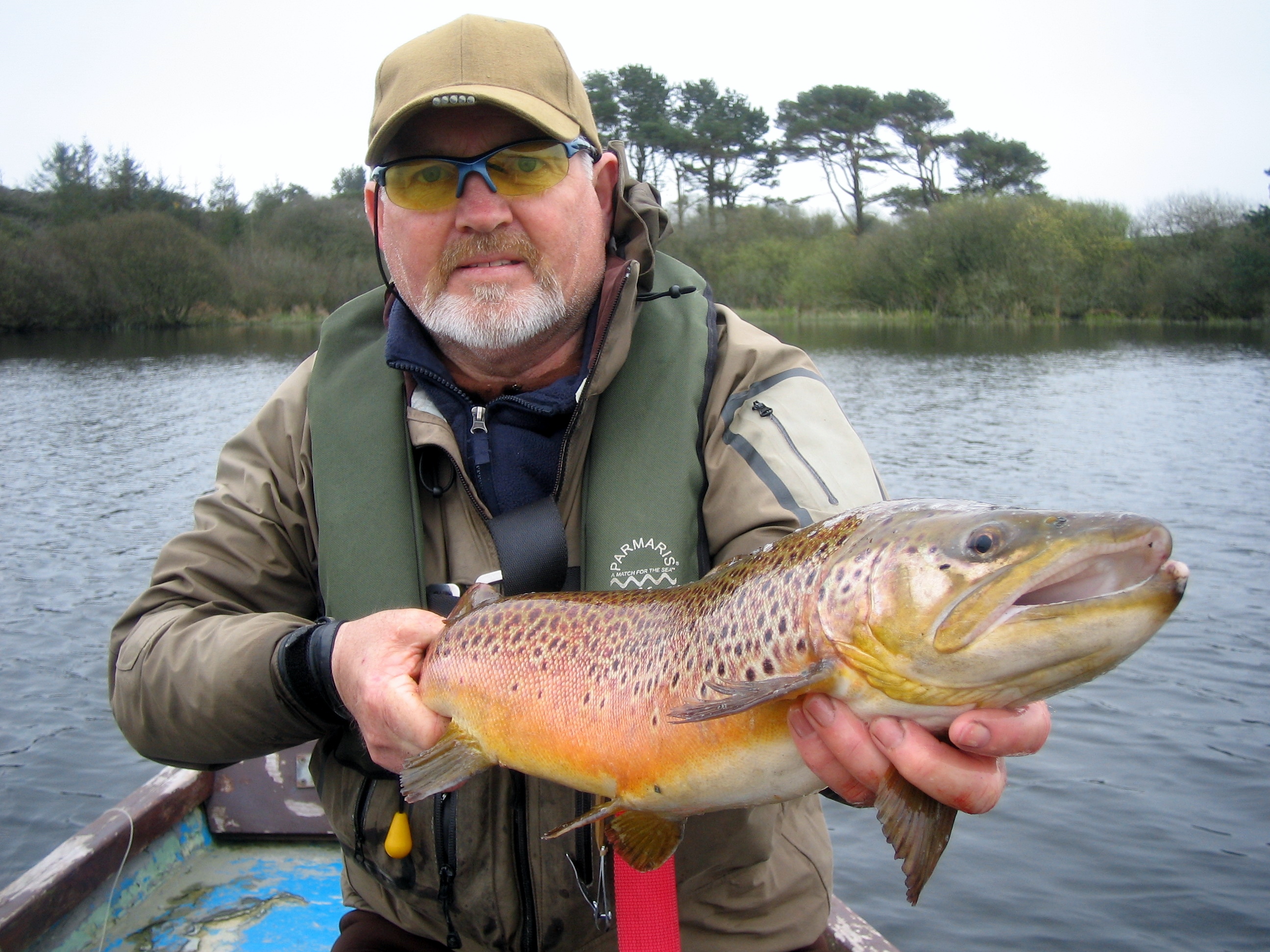
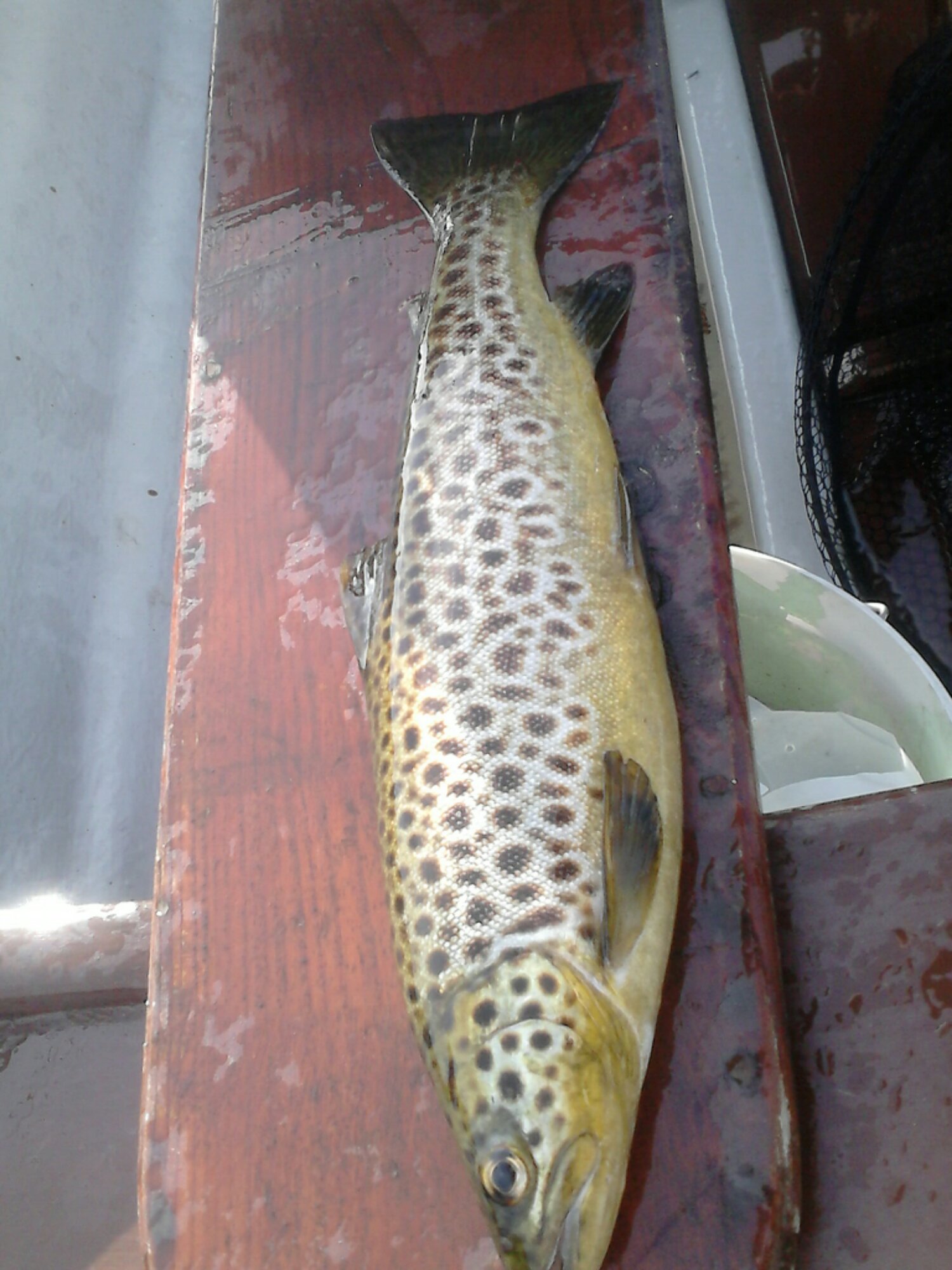
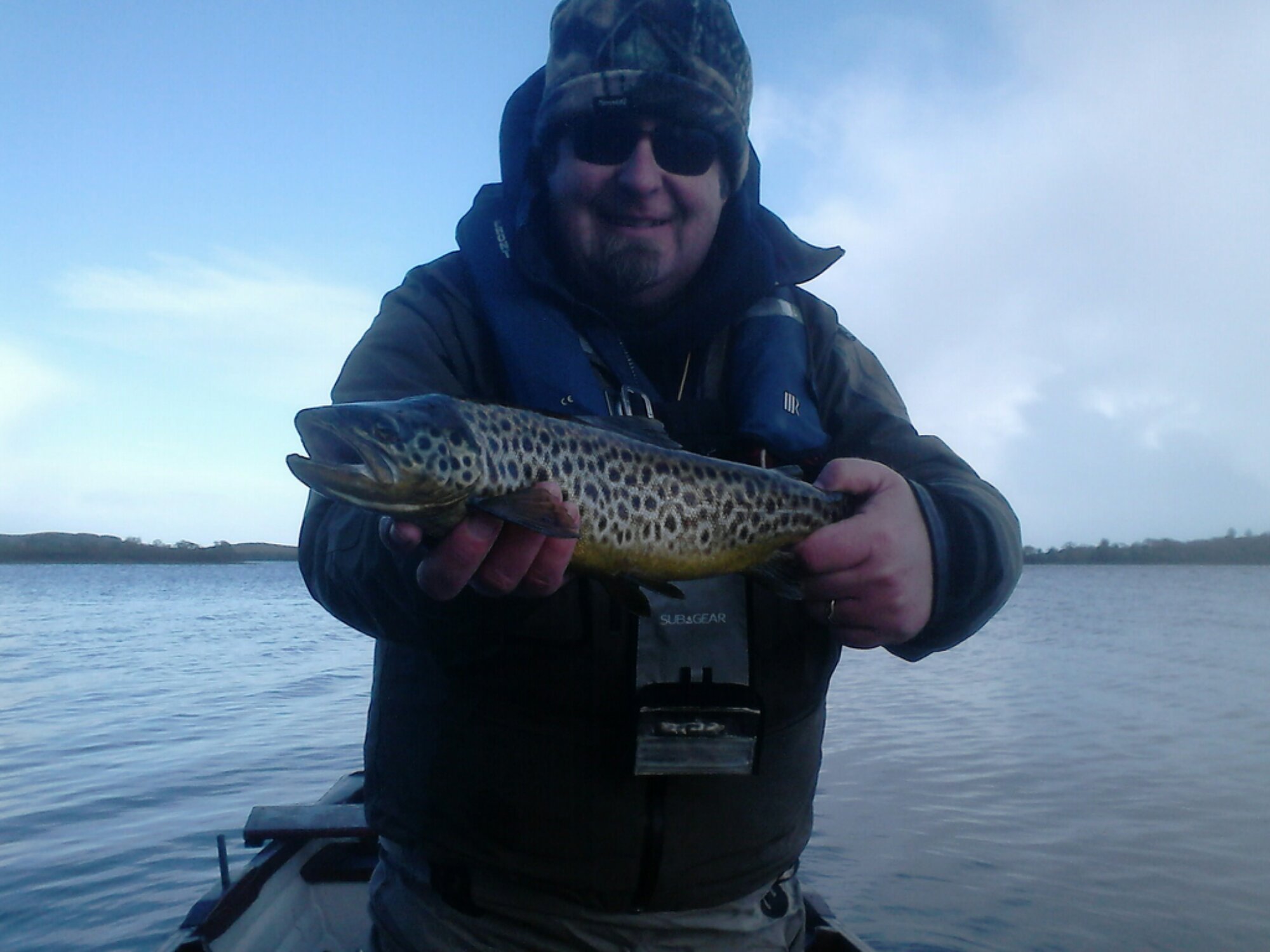
Mike from Clonmel joined the Waterford Fly Fishing Club for this year and while he had been catching some quality trout he was keen to learn the nuances of buzzer fishing, particularly with the large browns that were moving in the lakes already this season. So we arranged to meet up at Carrigavantry on a day with a nice light southerly wind. Conditions were looking good for some buzzer fishing and there was a reasonable amount of small buzzer hatching too. Once we were on the lake I was showing Mike how I fish buzzers on these lakes when WHAM! I was into a serious trout. It turned out to be a superb brownie. Just what we were after.
IMG_3816

After a quick photo the trout was released back into the lake. A great start but now to get Mike into them! It took a little while and a few missed takes and then Mike nailed one. It was as pretty a brown as you could hope to catch in the lake and it was really big too.

IMG_3823

Mike continued to catch and release a few more smaller fish.

IMG_3825

IMG_3822

And he finished off his session with another large brown. Needless to say he was a happy angler at the end of the session.

IMG_3818

Waterford Lakes

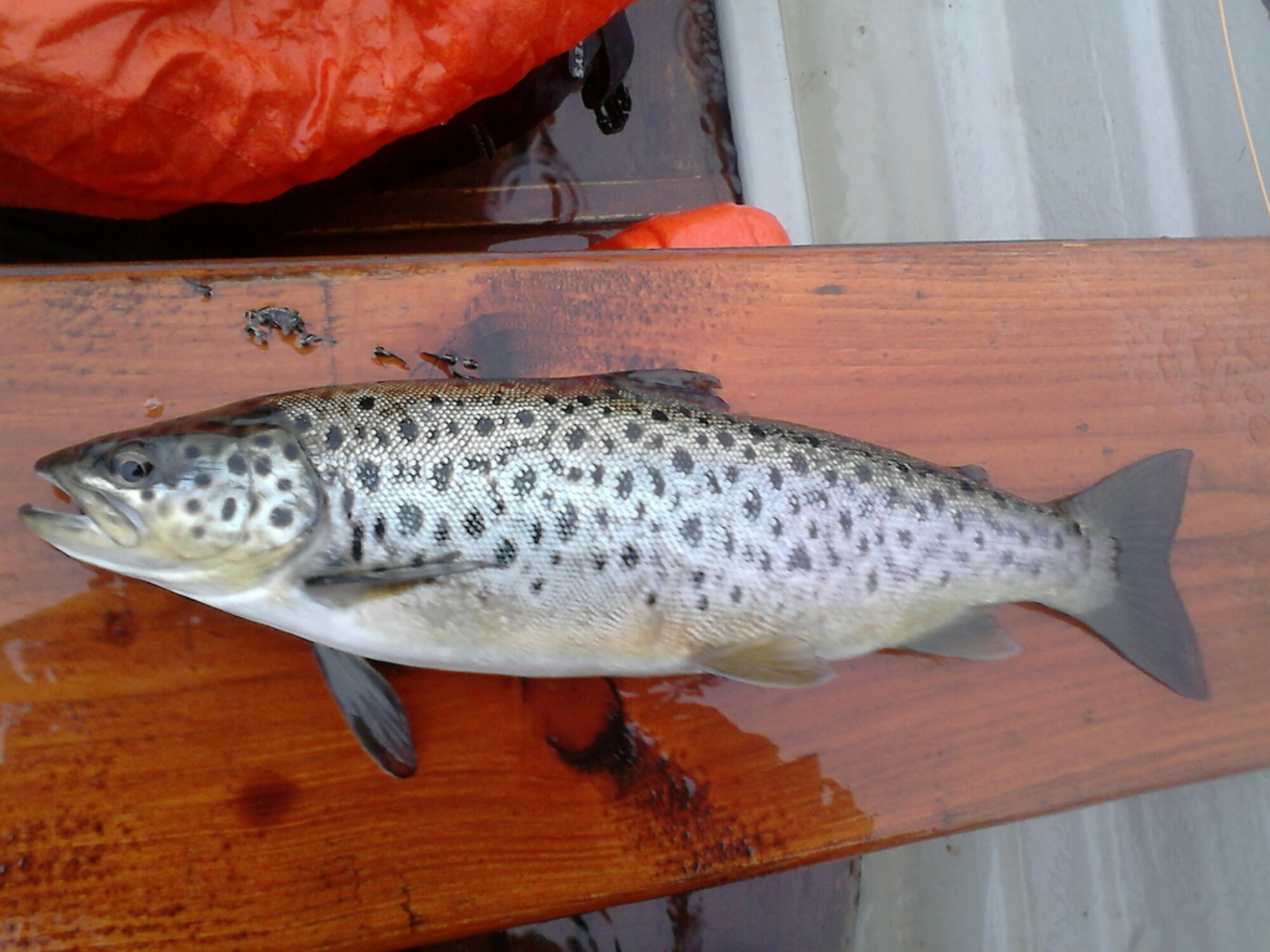
The Waterford lakes have been fishing well of late.  When the temperature is up and the winds light there has been a great midge hatch.  Emergers have been working well for the large browns averaging 5lbs.

image

Dabblers and bumbles are always good at this time of year.  Be sure to use strong tippet for the hard hitting Knockaderry bows.  Some of these are 4lbs plus!

image

When conditions are suitable Carrigavantry is a super buzzer lake.  If the midge are hatching keep an eye out for rising trout sheltered areas.

image

The big bows put up an awesome scrap on a 5wt.

image

These lakes are well worth a try in the coming weeks. Details on permits etc are available on the club website. Www.waterfordflyfishing.com

Corrib Duckfly Weekend 2014

We spent the weekend on Lough Corrib. As usual we stayed in Grasshopper Cottage, Dooros.  For us, this is an ideal guesthouse, overlooking the lake, and where the owner knows his fishing on the Lough. It is also just over the road from where our good friend Tom Sullivan lives. He is always a great help to us when we go to Corrib. We like fishing around Cornamona, you can generally find a sheltered bay somewhere!

image

The start of the weekend was horrible weatherwise, bitterly cold and strong winds. We knew from last year that with little duckfly hatching in such conditions the fish might be feeding on hoglouse.

image

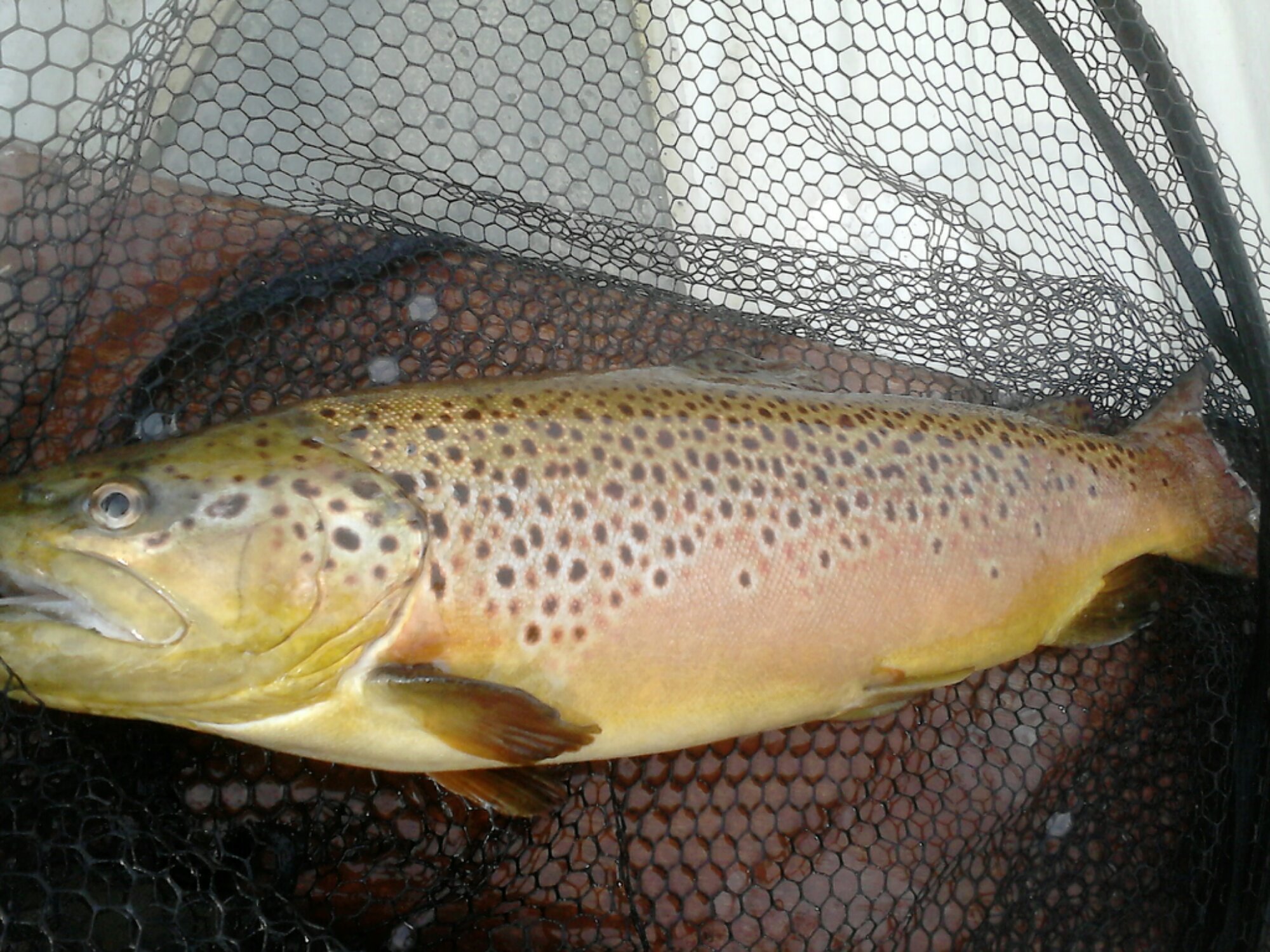
This proved to be the case as is evident from the photo above, and we caught on dabblers and hoglouse patterns. 

image

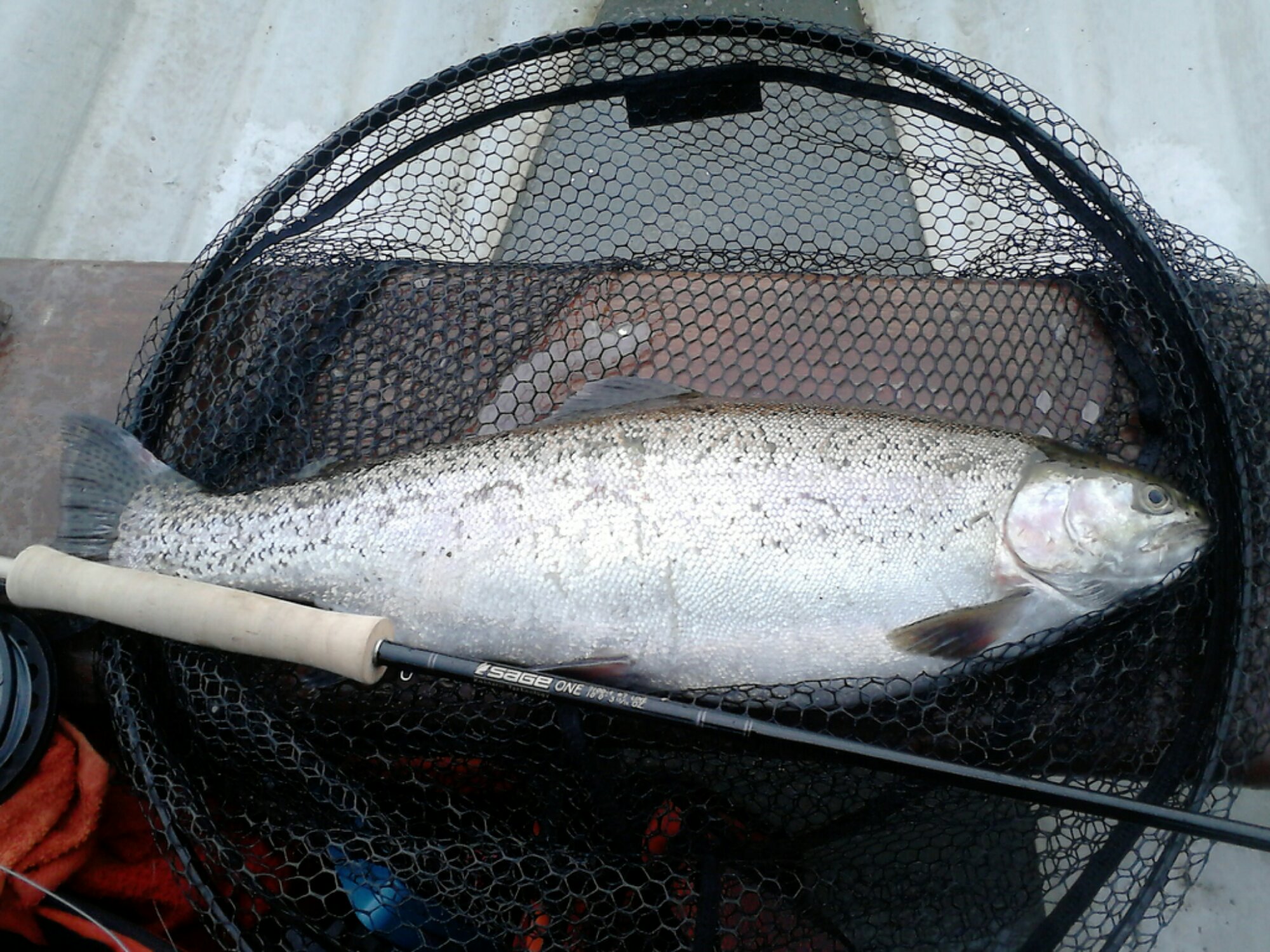
The Sage One 7wt performed great for pulling wets. I think the 6wt would be an ideal “all round” rod.

image

The forecast was much better for Sunday – warmer weather, light winds, and no rain.  Time to change tactics.  We set up the 7wts with smaller wets (duckfly emergers). The fast intermediate lines were replaced with slow intermediates and hover lines.  On the Sage One 5wt it was a full floater and buzzers.  I also prepared a leader with 2 CDC dry duckfly patterns in case there was a good rise.

image

Conditions were very good and a lot of fly hatched. We caught on wets and buzzers.

image

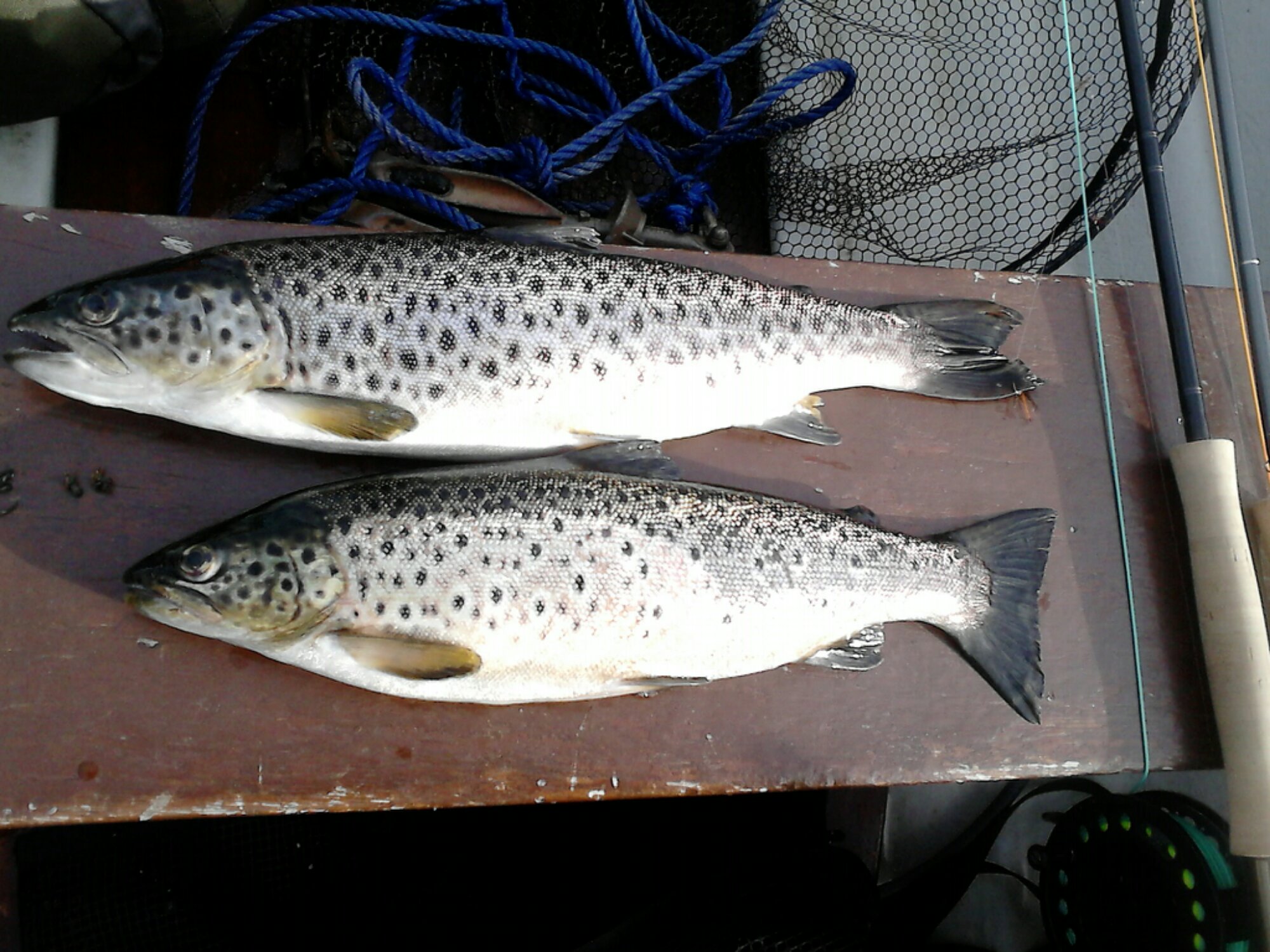
After lunch the lake went calm and we spotted trout rising in one corner of a bay.  We switched from buzzers to dries.  I hooked one trout on a shuttlecock fly but failed to land it. It was a good days fishing where we kept two trout that we had spooned.  They had been feeding on buzzers rather than hoglouse.

image

Lessons learned:
– there is no guarantee of good conditions in March so be prepared for tough weather and fishing
– you have to adapt to the conditions and what the trout are likely to be feeding on
– when the conditions are good the potential for great fishing is certainly there
– make sure your digital camera is properly charged for the weekend so that you don’t have to use your phone (oops!)
We will back again around the same time next year. Hopefully we get a full weekend of good weather.

Successful Seatrout Patterns

I am often asked about sea trout flies and which ones I find best.  Let me say immediately that each river tends to have its own favourites, but there are certainly a few patterns I always carry with me.

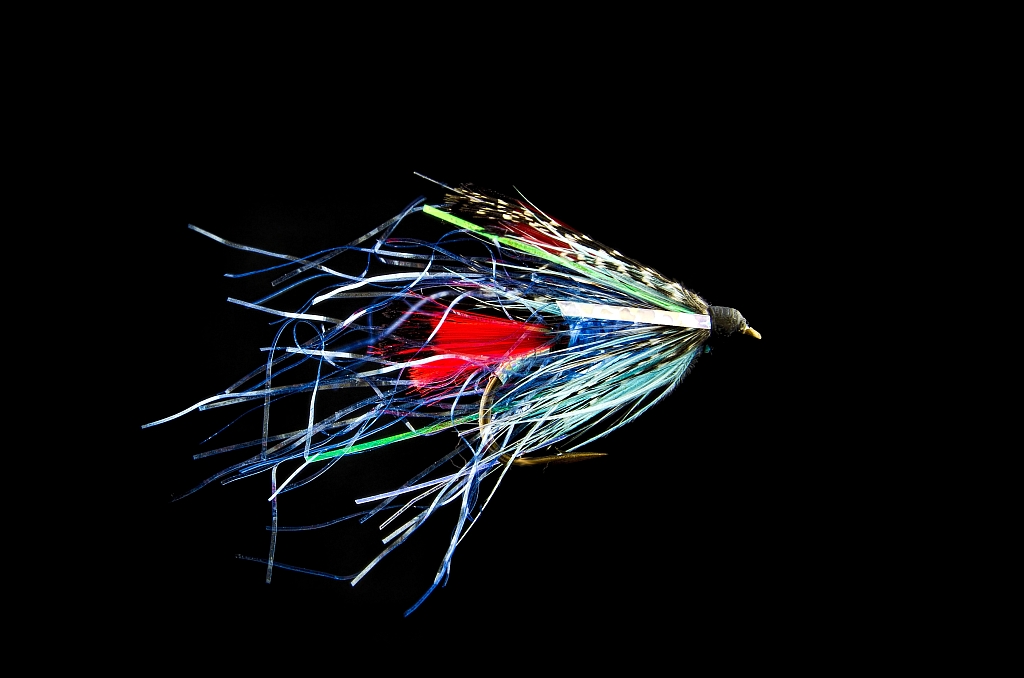
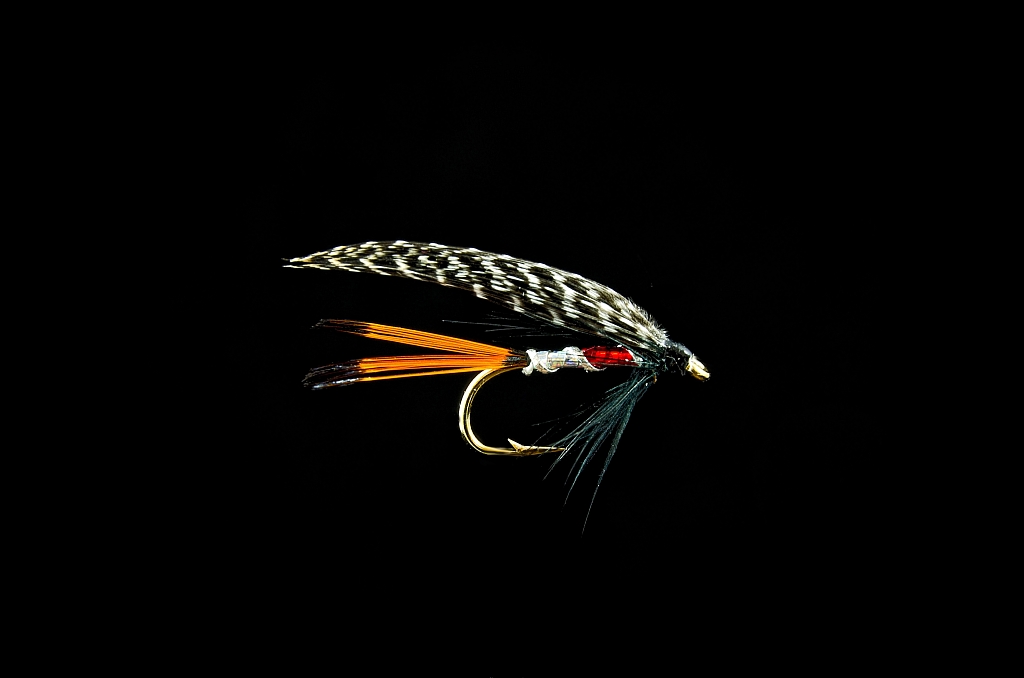
Teal Blue and Silver Variant

Teal Blue and Silver Variant

I divide my seatrout patterns into 3 main categories:

1. Small or standard patterns

For me key standard size patterns would include flies such as the teal blue and silver, black pennell, kill devil spider, butcher, dunkeld and peter ross.  I would generally have these in sizes 14 to 8 and a few “wee doubles”.

Peter Ross

Peter Ross

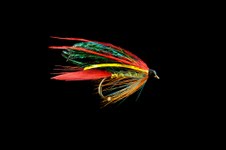
One of my personal favourites is the Gold Alexandra.  The variant I tie is pictured below.

Gold Alexandra Variant

Gold Alexandra Variant

2. Larger flies/tandems/surface lures

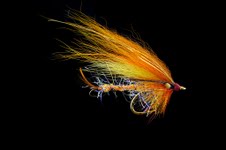
In the larger flies I fish mainly blue/silver patterns like the medicine fly, black silver patterns and orange and gold patterns.  I find it useful to have a selection of flies tied on low water singles, doubles, tandems and a few snake flies.

orange tandem

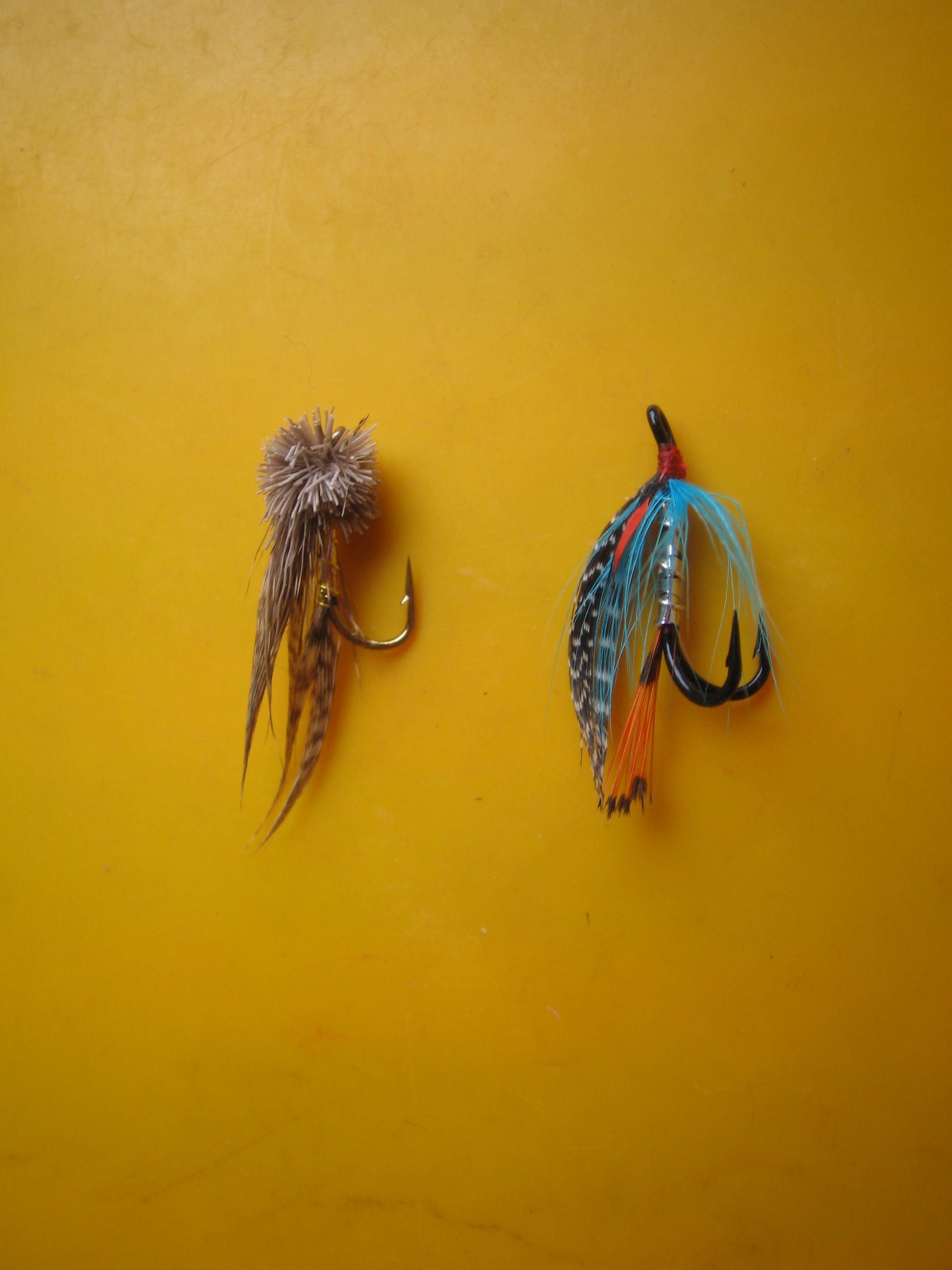
I tend to use two types of surface fly for night time fishing.  These would be foam type flies and also flies tied with deer hair (muddlers).  As a general rule the darker the night the bigger the surface fly I fish.

 IMG_3248

To conclude, having fished for seatrout on my local rivers for the past thirty years, my approach would be to have a small selection of patterns but be  sure to have flies of various sizes, along with a few surface lures.

Crafty Flies for Bass

Tied up a batch of sea bass flies for a friend the other day.  I started with some deceiver type flies like the one below.

bass 5

Then I tied a few larger flies along the lines of the hollow semper.  The thing with most saltwater flies is they never really look like baitfish when they are dry.  But try running the tap on them for a few moments and then look at them when wet.  The transformation can be astounding and this is when these flies come to life.

bass 3

Many saltwater flies like those above are tied with bucktail.  This is a great material but you can tie some with softer materials too.  I also tied my friend a few flies using Craft Fur.  Despite appearances, there is nothing overly complicated in tying any of these saltwater flies.

craft fur 1

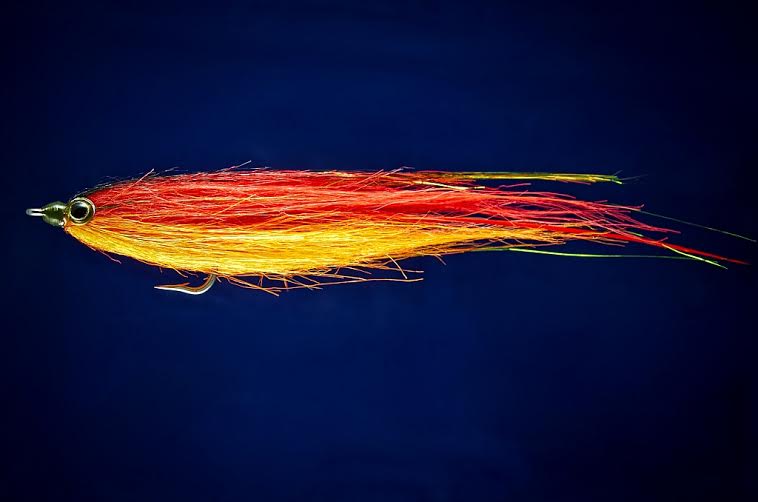
It is always a good idea to have some bright coloured flies for different light and water conditions.  Try something like the fire orange craft fur fly below!

craft fur 2

Drainer Disc Flies

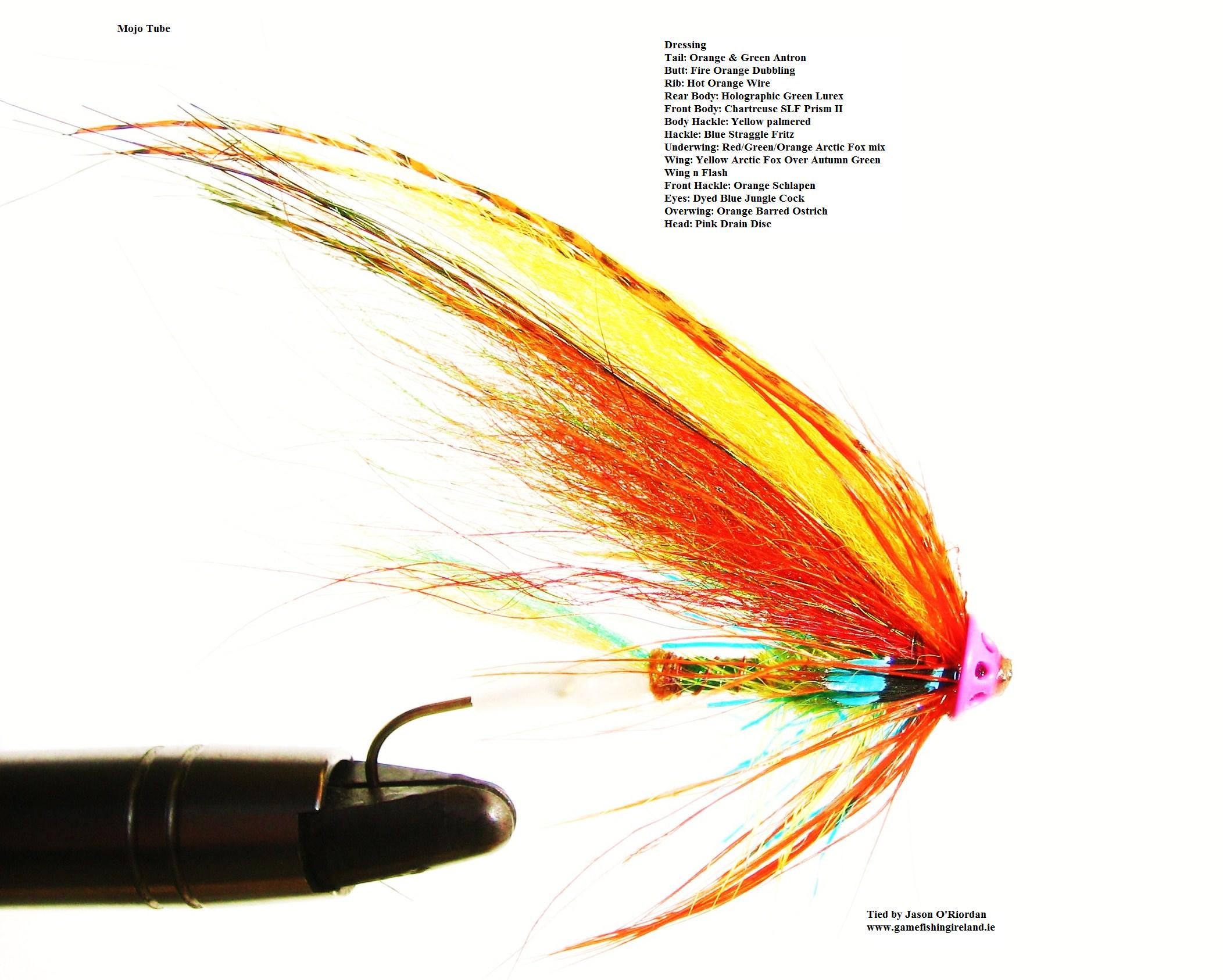
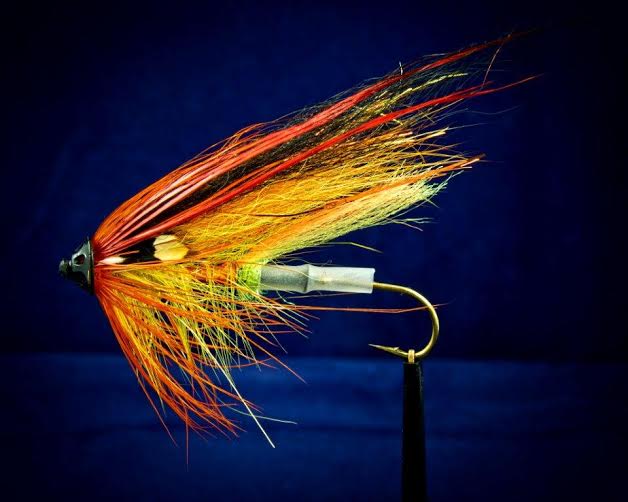
Have put drainer discs on a few of the tube flies I tied recently.  I really like the look of these and the idea is that water can pass through the disc and add extra movement to the wing of the fly.  If the rivers ever drop to fly fishing level I am keen to give them a try.  There are available in lots of colours including metallic finish (which I am waiting to get my hands on).  Below is my Mojo tube fly with a pink drainer added to the front.

Mojo Tube

Mojo Tube

Here is a black drainer on an early season tube fly.

turbo 2

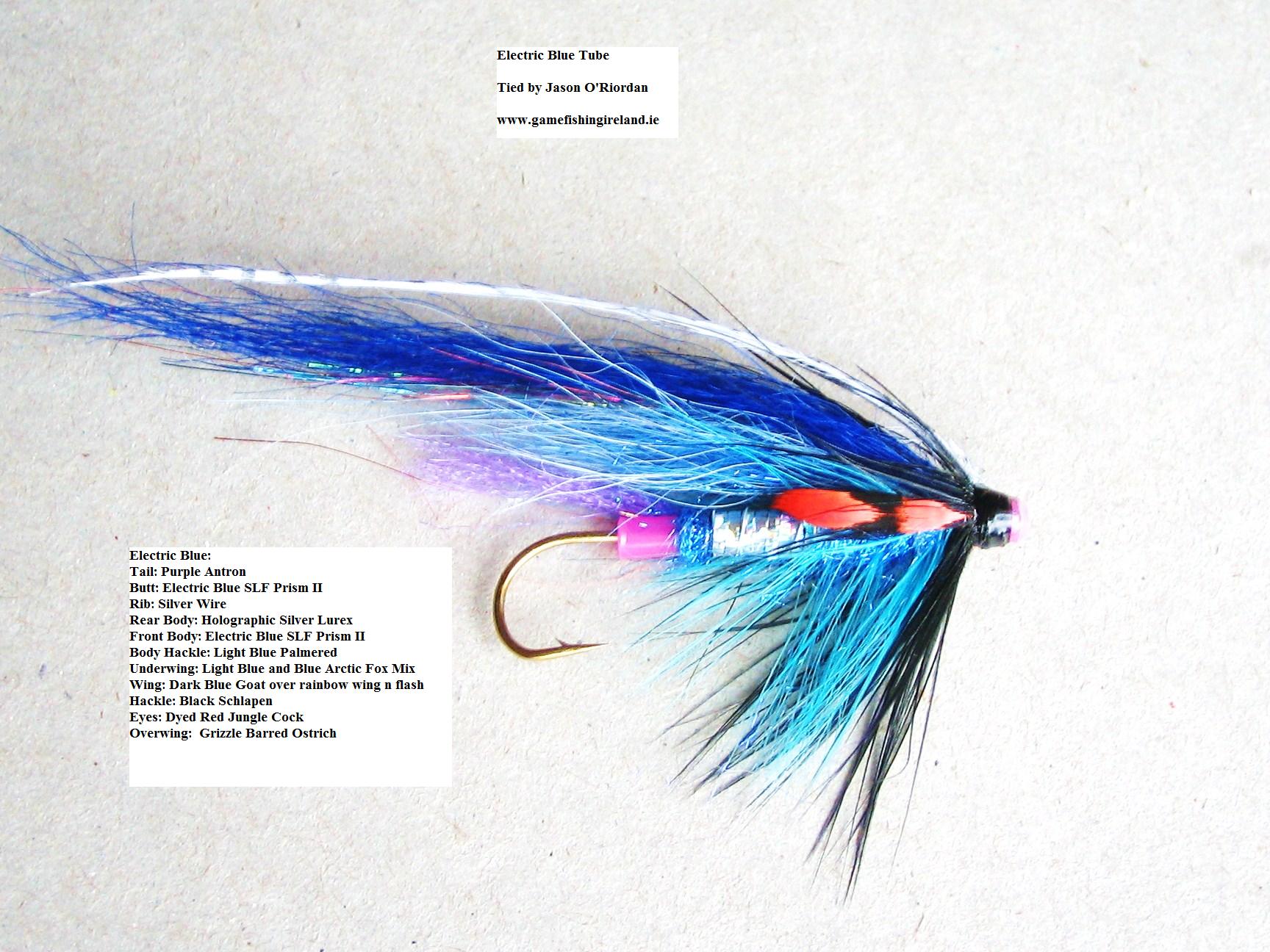
Electric Blue

I am really pleased with this seatrout  tube fly I tied during the week.  For me flies with blue and silver in them are my first choice for fresh sea trout.  It is also a great combination for fresh salmon too.  This pattern uses electric blue dubbing and that is where it gets its name.

IMG_3783


IMG_3781


The Yeti Cascade

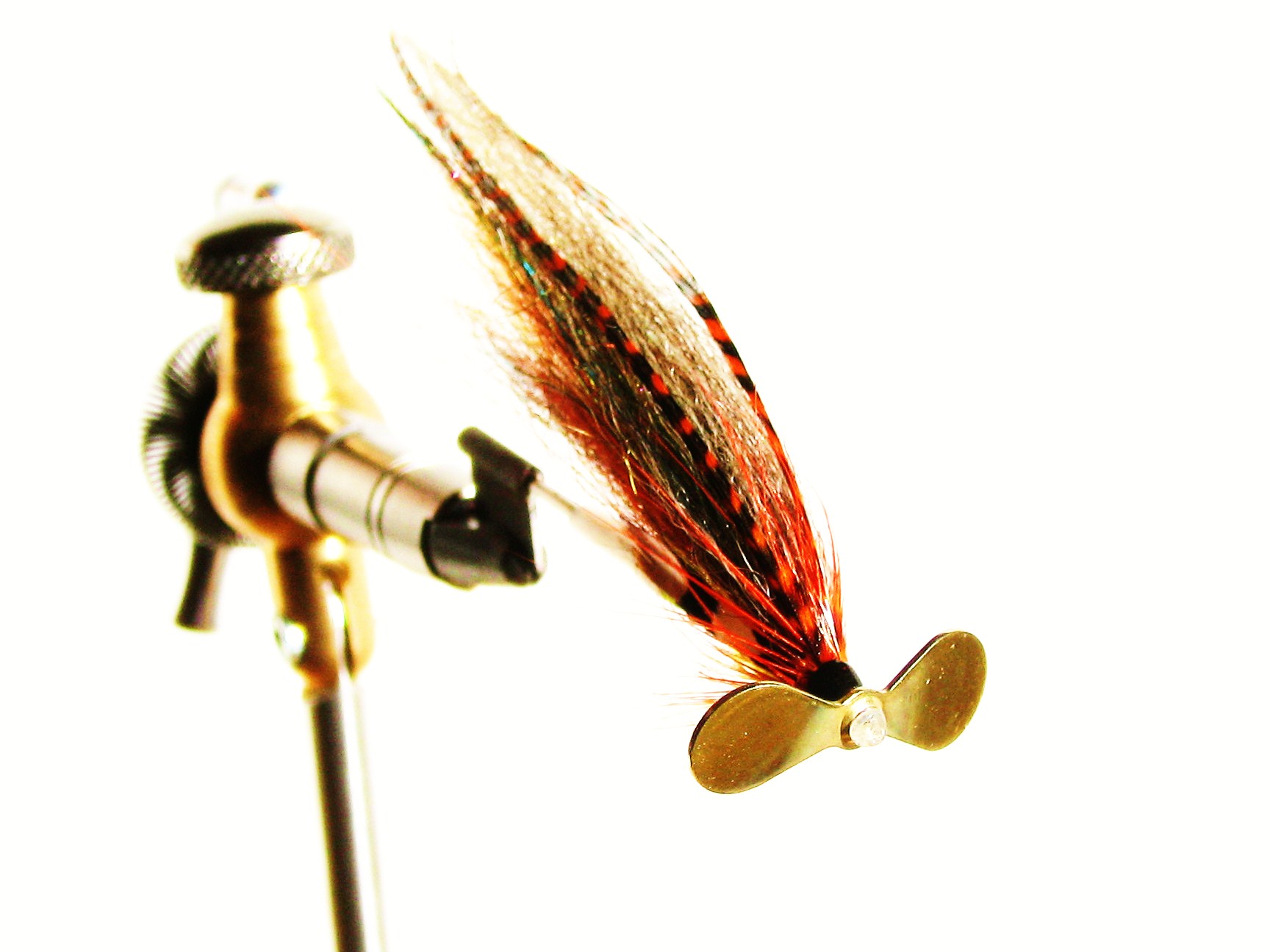
All our Irish salmon rivers are bank high at the moment.  Of course eventually they will drop to a fly fishing level.  However, those fishing with spinning outfits are likely to have the first of the sport.  They can get their lures down really deep and they have the bling of those flashy blades to attract fish.  A client asked me to tie “something” for him that might also work, but he wants to fish with his fly rod.  So here is the Yeti Cascade!

Yeti Cascade

Yeti Cascade

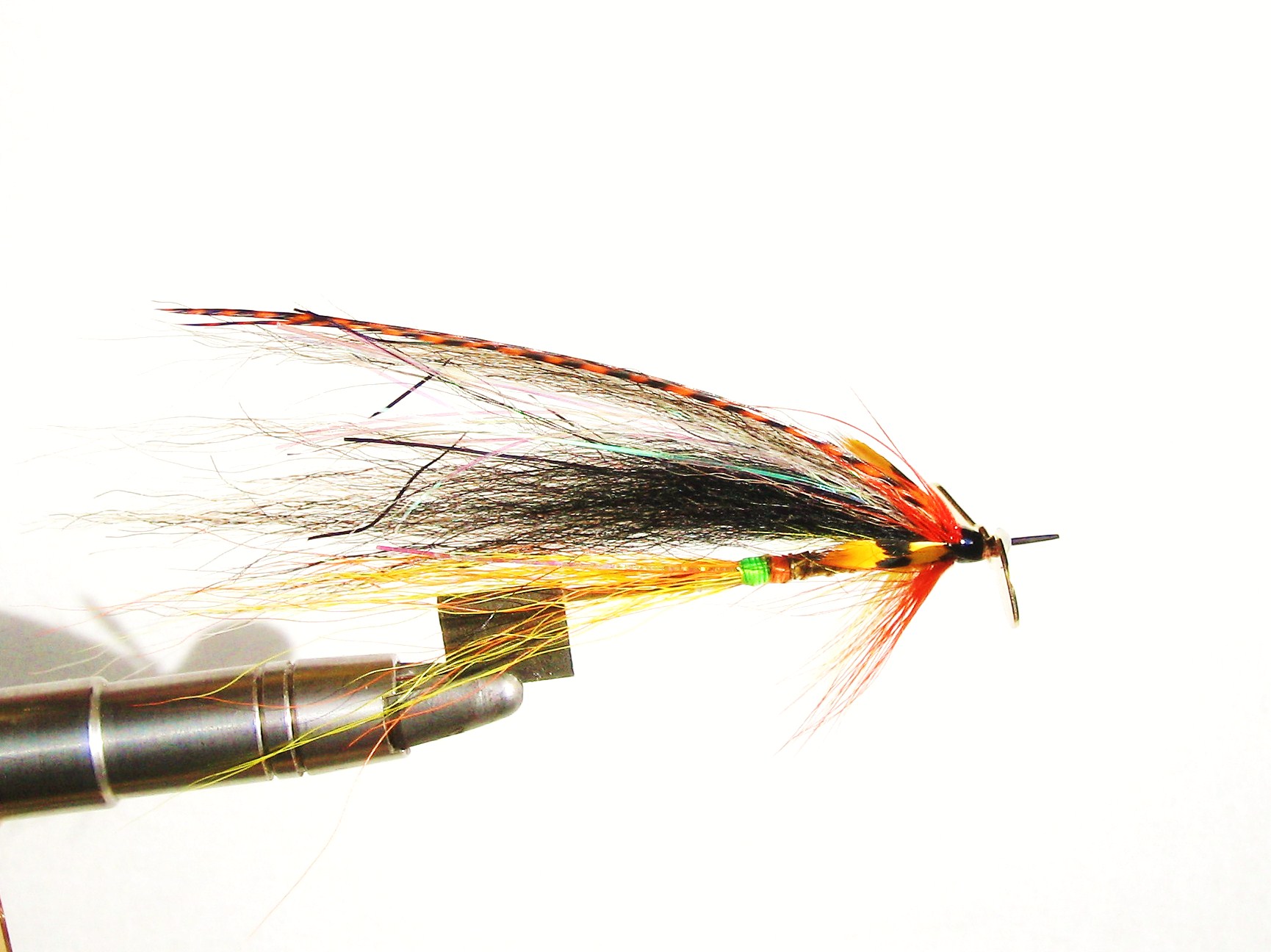
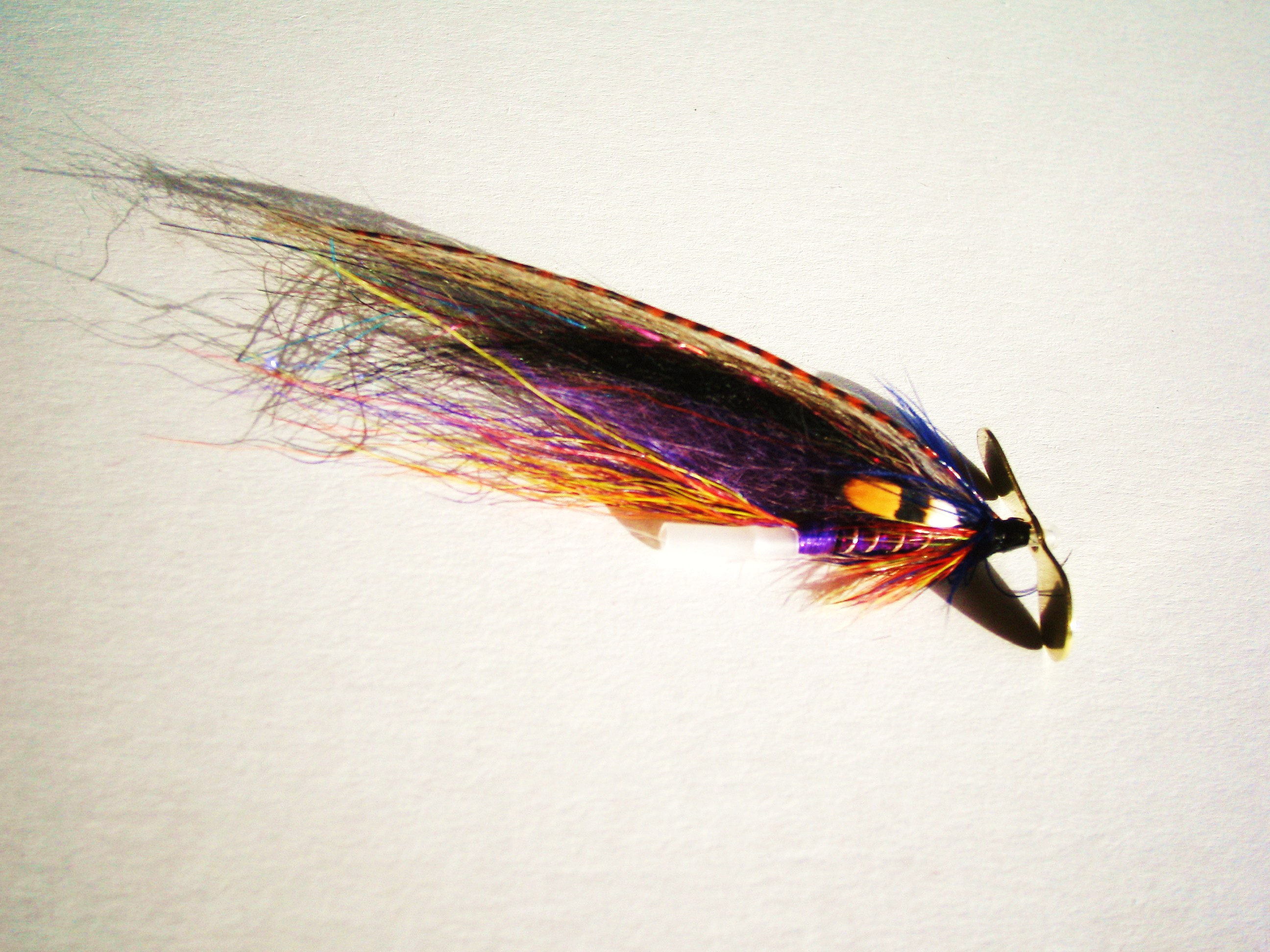
The Yeti Cascade is a variation on the standard green butt cascade. The wing is black fox with Yeti Hair over.  I kid you not, the package said Yeti’s Moms Hair!!   I added a propeller blade to the front of the tube fly.  This thing really spins around in the water.  They are banned on a lot of small water stocked fisheries so they must be pretty effective.

Propeller blade at front!

Propeller blade at front!

I tied another version with some extra fox in the wing. Maybe the extra profile of this one will be better, it is difficult to say.

IMG_3747

IMG_3748

This client really likes purple flies so I also tied up a purple version for him.

Purple Yeti

Purple Yeti

Purple is very popular in other countries but you do not see it so much on Irish salmon flies.  Nevertheless it can be a very productive colour and I really like Irish shrimp flies with dark purple tails.